Affiliate Disclosure: As an Amazon Associate, we earn from qualifying purchases. This post contains affiliate links, which means we may earn a small commission if you buy through our links, at no extra cost to you.
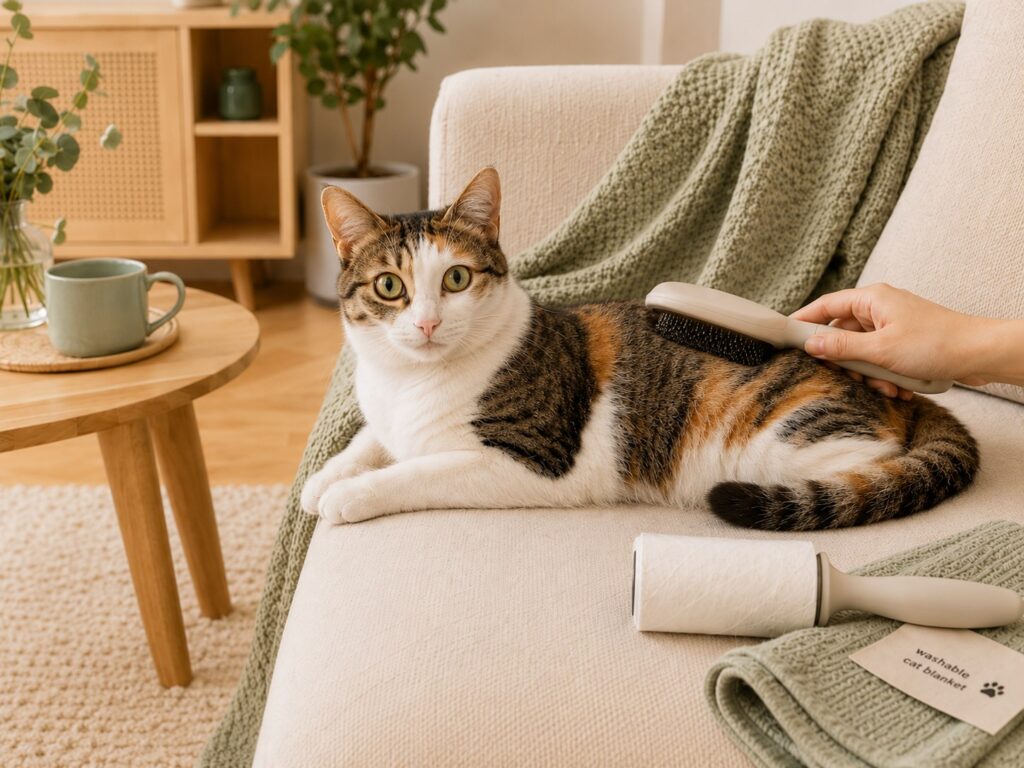
Cat hair is part of living with cats.
It shows up on the sofa, blankets, rugs, clothes, cat beds, corners, and sometimes even places your cat barely touches. For indoor cats, shedding can feel especially noticeable because most of the loose fur stays inside the home.
The goal is not to make your home completely hair-free. That is not realistic for most cat parents.
The goal is to reduce loose hair, control where it collects, make cleaning easier, and create a routine that feels manageable.
If shedding is one of your biggest home-cleaning problems, the right grooming tool can make a big difference. You can compare brush options in our guide to Best Cat Brushes for Shedding.
A cleaner home is also about setup. When your cat has a cozy resting area that is easy to clean, loose fur is easier to manage. For home-friendly inspiration, see Pinterest-Inspired Cat Spaces for Cozy Homes.
In this guide, we’ll cover how to reduce cat hair around the home with brushing, washable fabrics, smart furniture choices, cleaning routines, grooming habits, and simple home setup changes.
Quick Answer:
Why Is There So Much Cat Hair Around the Home?
Cats naturally shed old or loose hair. Some cats shed lightly all year, while others shed more during seasonal changes.
Indoor cats may also seem to shed constantly because:
- They spend most of their time on indoor furniture
- Loose fur stays inside the home
- Soft fabrics collect hair easily
- Cat beds, rugs, and blankets trap fur
- Warm indoor temperatures may affect shedding patterns
- Some cats groom and shed more than others
A certain amount of shedding is normal. But sudden bald patches, irritated skin, excessive scratching, overgrooming, or major changes in coat condition should be checked by a veterinarian.
If your cat seems stressed and is grooming more than usual, our guide on How to Calm an Anxious Cat at Home may also help you think about the home environment.
How Do You Reduce Cat Hair at Home?
To reduce cat hair around the home, focus on five things:
- Brush your cat regularly
- Use washable blankets and cat beds
- Clean your cat’s favorite resting spots often
- Vacuum and lint-roll high-hair areas
- Keep a simple weekly grooming and cleaning routine
You do not need a perfect home-cleaning system. You need a repeatable one.
For cats that shed heavily and also struggle with hairballs, you may also want to read Best Hairball Remedies for Indoor Cats.
1. Brush Your Cat Regularly
Regular brushing is one of the easiest ways to reduce loose hair before it lands on your furniture.
Brushing helps collect loose fur directly from your cat’s coat. It can also make your cat’s coat feel smoother and reduce the amount of hair that ends up on blankets, sofas, rugs, and clothes.
How often you brush depends on your cat’s coat type and tolerance.
A simple starting routine:
- Short-haired cats: 2–3 times per week
- Long-haired cats: daily or almost daily
- Heavy shedding seasons: more often
- Cats that dislike brushing: short gentle sessions
Keep brushing sessions calm. It is better to brush for two minutes regularly than to force a long session your cat hates.
2. Choose the Right Grooming Tool
Not every brush works for every cat.
Some cats prefer soft brushes. Some tolerate combs. Some enjoy grooming gloves because they feel more like petting.
Common grooming tools include:
- Slicker brushes
- Deshedding brushes
- Soft bristle brushes
- Grooming gloves
- Wide-tooth combs
- Flea combs for small areas
- Rubber curry-style tools
For sensitive cats, grooming gloves can be a gentler starting option. You can compare options in Best Grooming Gloves for Cats.
Start with the least stressful tool first. If your cat walks away, stop and try again later.
3. Focus on High-Shedding Areas
Some areas collect more loose fur than others.
Common shedding spots include:
- Back
- Sides
- Chest
- Neck
- Base of the tail
- Belly area
- Rear legs
Many cats dislike being brushed on the belly, paws, or tail. Do not force those areas. Focus on the places your cat accepts.
If your cat has mats, tight tangles, or painful areas, do not pull hard. Long-haired cats may need professional grooming help if mats become serious.
4. Use Washable Cat Beds and Blankets
A lot of cat hair collects where your cat sleeps.
Instead of trying to clean the whole sofa every day, create washable resting zones.
Use:
- Washable cat beds
- Small fleece blankets
- Cotton throws
- Machine-washable covers
- Sofa protectors
- Removable cushion covers
- Easy-clean pet mats
Place these in your cat’s favorite resting spots. This gives your cat a cozy place to relax and gives you something easy to wash.
If you are choosing a bed that is easier to maintain, see How to Choose the Best Cat Bed.
5. Create Hair-Control Zones
Instead of letting hair spread everywhere, create a few comfortable areas where your cat naturally wants to rest.
For example:
- A window blanket
- A cat bed near the sofa
- A washable mat under a favorite chair
- A cozy cat corner
- A blanket on the bed
- A throw on the couch
- A soft rug in a sunny spot
When your cat chooses these areas often, you can clean those zones more easily.
This works better than constantly cleaning every surface in the home.
6. Vacuum High-Hair Areas More Often
You do not need to vacuum the whole house every day.
Focus on the places that collect the most hair:
- Sofa cushions
- Rugs
- Cat trees
- Cat beds
- Corners
- Under chairs
- Window areas
- Bedroom blankets
- Feeding corners
- Hallways where hair gathers
A small handheld vacuum can be useful for quick daily cleanups.
For fabric surfaces, use a vacuum attachment designed for upholstery if you have one.
7. Use Lint Rollers for Clothes and Fabric
Lint rollers are simple but useful.
Keep one near:
- The entryway
- Closet
- Laundry area
- Sofa
- Bedroom
- Car
- Work bag
For quick cleaning, use lint rollers on:
- Clothes
- Pillow covers
- Sofa arms
- Throw blankets
- Fabric chairs
- Cat beds
- Curtains
Reusable lint brushes or pet hair removers can also work well for larger surfaces.
Helpful Product for Quick Hair Cleanup: Polardo Lint Rollers for Pet Hair

Product Overview:
The Polardo Lint Rollers for Pet Hair are a simple everyday cleanup tool for cat parents. They are especially useful for quick surface cleaning when cat hair shows up on clothes, sofa arms, blankets, bedding, or fabric chairs.
This set includes five sticky rollers with 450 total sheets, making it practical to keep one near the sofa, one in the bedroom, and one by the door for quick touch-ups before leaving home. The product page also notes that the rollers are designed for clothes, furniture, sofas, carpets, bed sheets, and car seats.
Why It Fits This Article:
This fits the article because lint rollers are one of the easiest ways to manage visible cat hair in daily life. They do not replace brushing or vacuuming, but they are useful for fast cleanup in high-hair areas.
8. Try Rubber Tools for Furniture
Rubber can help pull cat hair from fabric.
Useful options include:
- Rubber gloves
- Rubber pet hair brushes
- Reusable hair removal tools
- Damp rubber squeegees
- Fabric-safe pet hair removers
Lightly dragging a rubber tool across fabric can gather hair into clumps, making it easier to remove.
Always test on a small area first, especially on delicate fabric.
9. Wash Cat Blankets Regularly
Washable blankets are one of the easiest ways to control cat hair.
Before washing, shake loose hair outside if possible. You can also use a lint roller or pet hair remover first so less hair goes into the washing machine.
A simple routine:
- Wash cat blankets once a week
- Wash heavily used beds every 1–2 weeks
- Keep backup blankets ready
- Dry fully before putting them back
- Clean washer filter if needed
Choose fabrics that are easy to wash and do not trap too much fur.
10. Choose Home Fabrics That Are Easier to Clean
Some fabrics hold cat hair more than others.
Hair often sticks strongly to:
- Velvet
- Fleece
- Thick textured fabric
- Loose-weave materials
- Heavy rugs
- Dark fabric
- Static-prone blankets
Easier options may include:
- Smooth cotton
- Tightly woven fabrics
- Washable covers
- Leather or faux leather
- Low-pile rugs
- Removable cushion covers
- Light neutral tones
You do not need to replace everything. Start with washable throws and covers in the places your cat uses most.
11. Keep Cat Trees and Scratching Areas Clean
Cat trees, scratching posts, and perches collect a lot of fur because cats rub, climb, stretch, and nap on them.
Clean these areas weekly if possible.
Try:
- Vacuuming platforms
- Using a lint roller
- Brushing fabric surfaces
- Wiping hard surfaces
- Removing trapped hair from corners
- Washing removable cushions
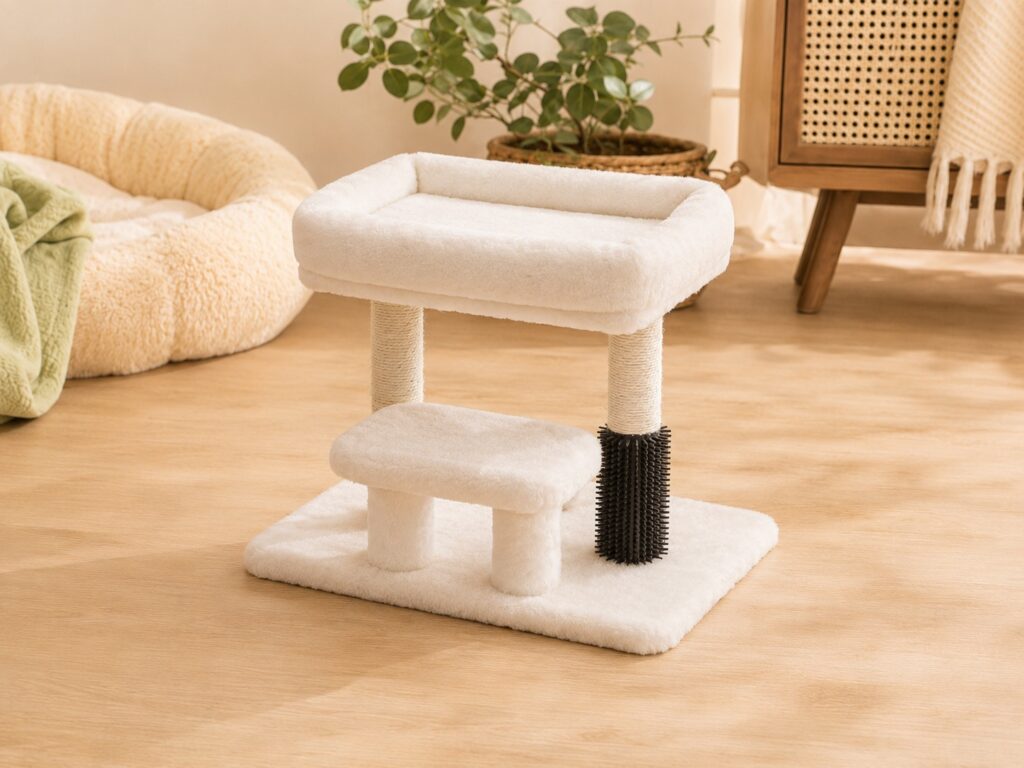
For small homes, compact cat furniture can help keep your cat’s resting and scratching areas more organized.
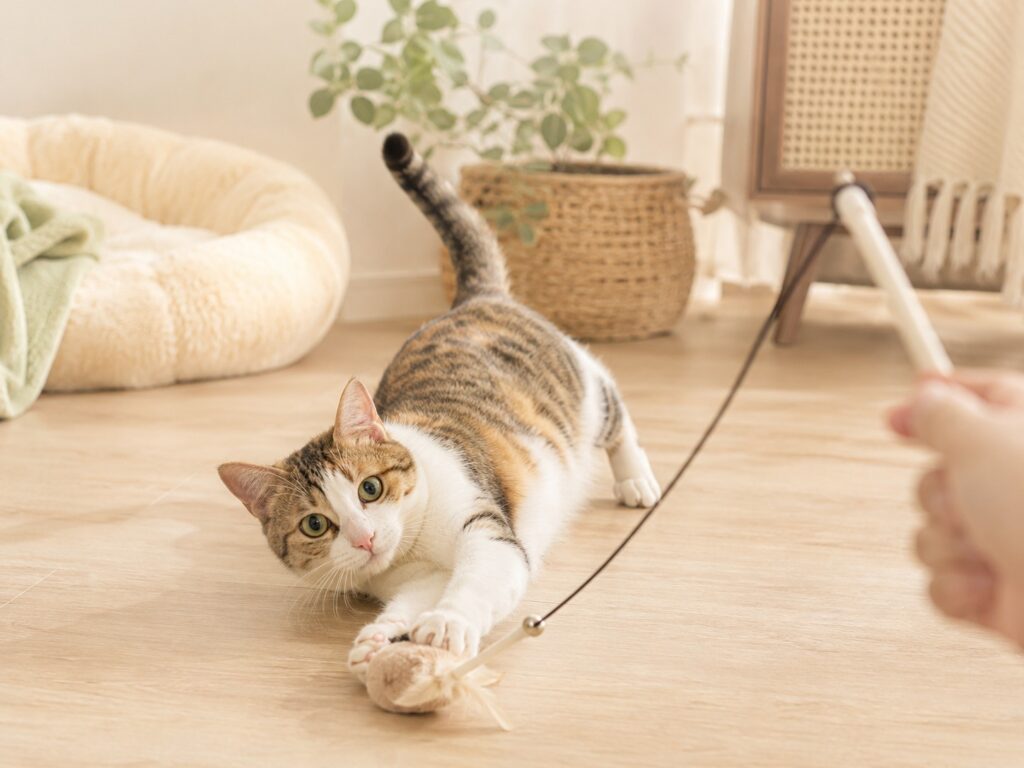
12. Add a Simple Grooming Routine After Playtime
Some cats are more relaxed after play.
Try a short routine:
- Play with your cat for a few minutes.
- Let them calm down.
- Offer a few gentle brush strokes.
- Stop before they get annoyed.
- Reward with praise or a treat.
This can help grooming feel like part of a normal routine instead of a forced task.
If your cat enjoys interactive play, you may also like Best Wand Toys for Bonding with Your Cat.
13. Manage Hair Around Feeding Areas
Cat hair can collect near food and water bowls, especially if your cat eats in the same spot every day.
To keep the feeding area cleaner:
- Use a washable feeding mat
- Wipe the area daily
- Keep bowls away from fuzzy rugs
- Wash mats weekly
- Keep long-haired cats’ chest fur brushed
- Use easy-clean bowl surfaces
For messy food areas, see Best Cat Food Bowls for Messy Eaters.
14. Use Airflow and Cleaning Together
An air purifier may help with airborne particles in some homes, but it will not remove hair from sofas, rugs, beds, or blankets.
For cat hair, physical cleaning matters most.
Use air support as an extra, not a replacement for:
- Brushing
- Vacuuming
- Washing blankets
- Cleaning resting spots
- Wiping surfaces
- Removing hair from fabrics
If you use an air purifier, place it in a room where your cat spends a lot of time and clean or replace filters as directed.
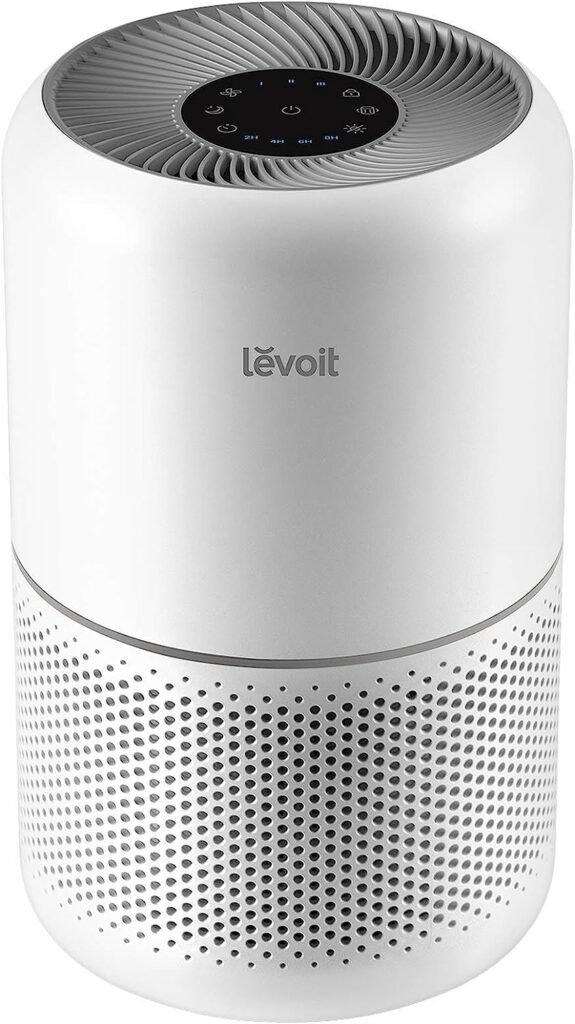
Helpful Product for Air Support: LEVOIT Core 300-P Air Purifier
Product Overview:
The LEVOIT Core 300-P Air Purifier can be a helpful extra tool for cat-friendly homes, especially in rooms where dust, dander, and airborne particles are a concern. The product page lists AHAM Verifide performance, CADR ratings for smoke, dust, and pollen, and a Sleep Mode designed for quiet nighttime use.
For cat hair specifically, it is important to set expectations clearly: an air purifier does not remove hair from sofas, blankets, rugs, or clothes. Brushing, vacuuming, washable fabrics, and lint rollers still matter most for visible cat hair.
Why It Fits This Article:
This fits the article as an air-support product, not a direct cat-hair-removal tool. It can support a cleaner-feeling room, while the main hair-control routine should still focus on grooming and surface cleaning.
15. Watch for Overgrooming or Skin Problems
Shedding is normal. But some coat changes may need attention.
Talk to a veterinarian if you notice:
- Bald patches
- Red skin
- Scabs
- Constant scratching
- Excessive licking
- Sudden heavy shedding
- Dull coat
- Weight loss
- Frequent vomiting
- Your cat seems uncomfortable
Do not assume every hair problem is just normal shedding.
16. Keep a Weekly Cat Hair Routine
A simple weekly routine can make the home feel much cleaner.
Daily or Almost Daily
- Remove hair from clothes
- Quick clean sofa or favorite spot
- Check blankets and cat beds
- Brush for a few minutes if your cat allows
Weekly
- Wash cat blankets
- Vacuum rugs and sofa
- Clean cat beds
- Lint-roll curtains or chairs
- Brush cat trees and perches
- Check grooming tools
Monthly
- Deep clean under furniture
- Wash cushion covers if possible
- Clean vacuum filters
- Review worn-out cat beds or blankets
- Replace damaged grooming tools
Small habits work better than waiting until hair is everywhere.
17. Best Home Setup for Reducing Cat Hair
A good hair-control setup might include:
- One main washable cat bed
- One backup blanket
- One grooming brush
- One grooming glove
- One lint roller
- One reusable pet hair remover
- One handheld vacuum
- One easy-clean feeding mat
- One washable throw for the sofa
This is enough for most homes.
You do not need complicated products. You need tools you will actually use.
Common Mistakes to Avoid
Avoid these mistakes:
- Waiting too long between brushing sessions
- Forcing grooming when your cat is stressed
- Using the wrong brush for your cat’s coat
- Leaving all cat beds unwashed for weeks
- Choosing fuzzy fabrics that trap hair
- Ignoring favorite sleeping spots
- Vacuuming only floors and not furniture
- Forgetting cat trees and perches
- Keeping damaged or dirty blankets
- Ignoring sudden coat changes
Reducing cat hair is about routine, not perfection.
Related HavenTails Guides
Best Grooming Gloves for Cats
Compare gentle grooming gloves for brushing, bathing, hair cleanup, and sensitive cats.
How to Choose the Best Cat Bed
Choose a cat bed that fits your cat’s sleep style and is easier to keep clean.
Best Hairball Remedies for Indoor Cats
Find hairball support ideas for indoor cats, including grooming tools, fiber options, treats, and gels.
Pinterest-Inspired Cat Spaces for Cozy Homes
Create cozy cat spaces that look good and are easier to maintain.
Best Cat Food Bowls for Messy Eaters
Build a cleaner feeding setup with bowls and mats that help reduce everyday mess.
Final Thoughts
Cat hair is normal, but it does not have to take over your home.
The best way to reduce cat hair around the home is to combine regular brushing, washable resting areas, quick furniture cleaning, and a simple weekly routine.
Start with the areas where your cat spends the most time. Add a washable blanket, brush your cat gently, vacuum high-hair zones, and clean cat beds before hair builds up.
A cleaner home does not come from one perfect product. It comes from small habits that are easy to repeat.
FAQs
Can you completely stop cat shedding?
No. Shedding is normal for cats. The goal is to reduce loose hair around the home, not stop shedding completely.
How often should I brush my cat to reduce hair?
Many short-haired cats do well with brushing a few times per week. Long-haired cats may need daily or near-daily brushing.
What is the best way to remove cat hair from furniture?
Vacuum fabric surfaces, use a lint roller or reusable pet hair remover, and place washable throws on your cat’s favorite resting areas.
Do grooming gloves help with cat hair?
Grooming gloves can help remove loose surface hair, especially for cats that dislike regular brushes. They may feel more like petting.
Why is my cat shedding more than usual?
Cats may shed more during seasonal changes, but sudden heavy shedding, bald patches, skin irritation, or excessive licking should be checked by a veterinarian.
What fabrics collect less cat hair?
Smooth, tightly woven, washable fabrics are usually easier to clean than fuzzy, textured, or static-prone fabrics.