Affiliate Disclosure: As an Amazon Associate, we earn from qualifying purchases. This post contains affiliate links, which means we may earn a small commission if you buy through our links, at no extra cost to you.
Introduction
Bringing a new cat home is exciting, but it can also feel a little overwhelming — especially if this is your first cat. A new environment can be stressful for cats, so preparing the right space and basic supplies before they arrive can help them feel safer, calmer, and more comfortable.
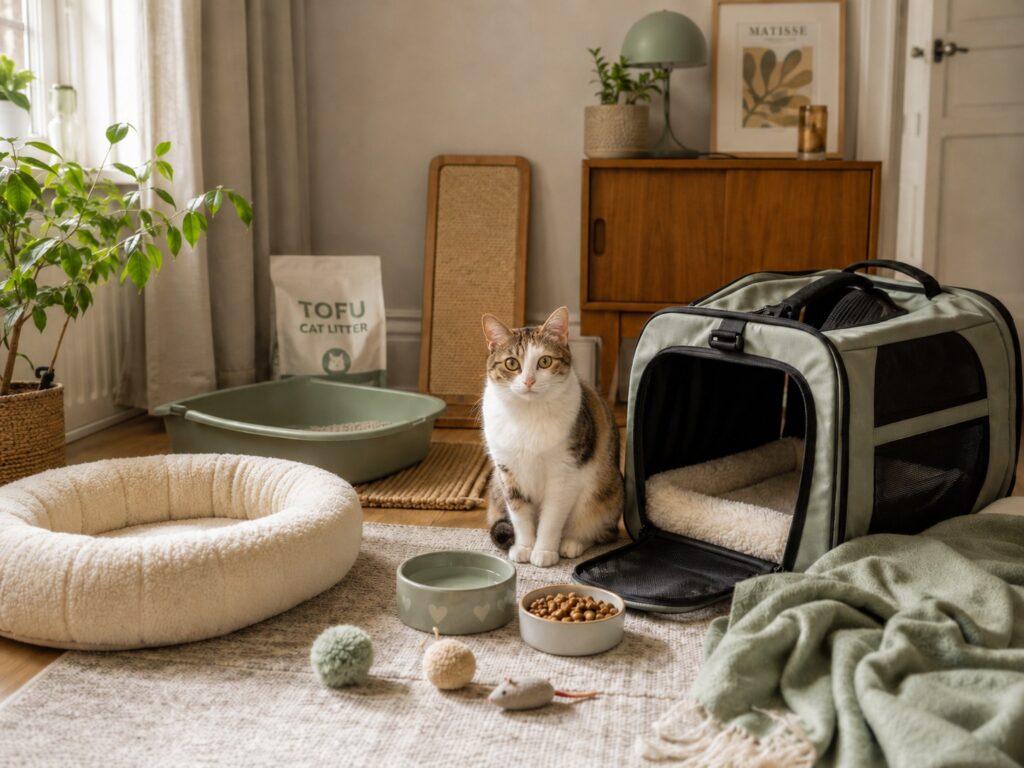
You do not need to buy everything at once. The most important things are a quiet starter room, a litter box, food and water, a safe resting spot, scratching options, a few simple toys, and a carrier for vet visits.
This new cat checklist will help you prepare your home before your cat arrives.
1. Prepare a Quiet Starter Room
Before bringing your cat home, choose a quiet room where they can stay for the first few days. This could be a bedroom, bathroom, office, or another calm space away from loud noises and heavy foot traffic.
A starter room helps your cat adjust slowly instead of being overwhelmed by the whole home at once. Place their litter box, food, water, bed, and a few toys in this room so they have everything they need nearby.
Once your cat seems more relaxed, curious, and confident, you can slowly let them explore more areas of the home.
2. Set Up a Litter Box
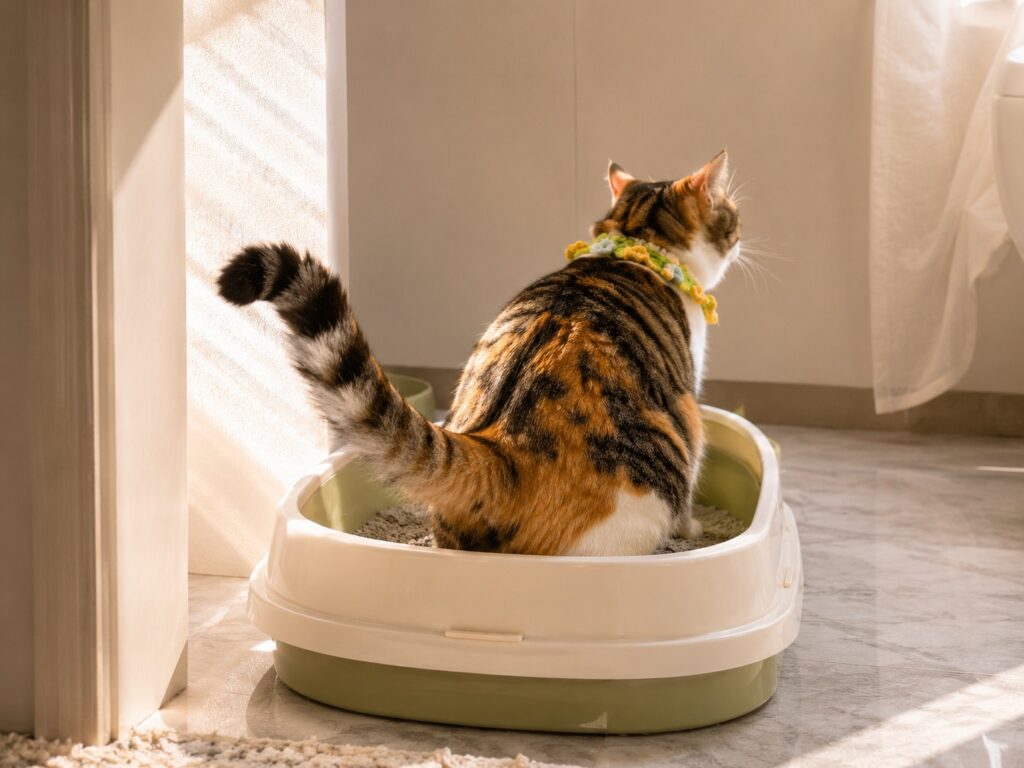
A litter box is one of the first things your new cat will need. Place it in a quiet, easy-to-reach area where your cat can use it without feeling trapped or disturbed.
For most cats, a simple open litter box is a safe starting point. Some cats like covered boxes, but others may feel uncomfortable in a closed space, especially when they are still adjusting to a new home.
Make sure the box is large enough for your cat to turn around comfortably. If you are adopting a kitten or senior cat, choose a box with a lower entry.
3. Prepare Food and Water Bowls
Your new cat will need separate bowls for food and water. Choose bowls that are stable, easy to clean, and comfortable for your cat to use.
Many cats prefer wide, shallow bowls because they are less likely to touch their whiskers against the sides. Stainless steel or ceramic bowls are often easier to clean than plastic.
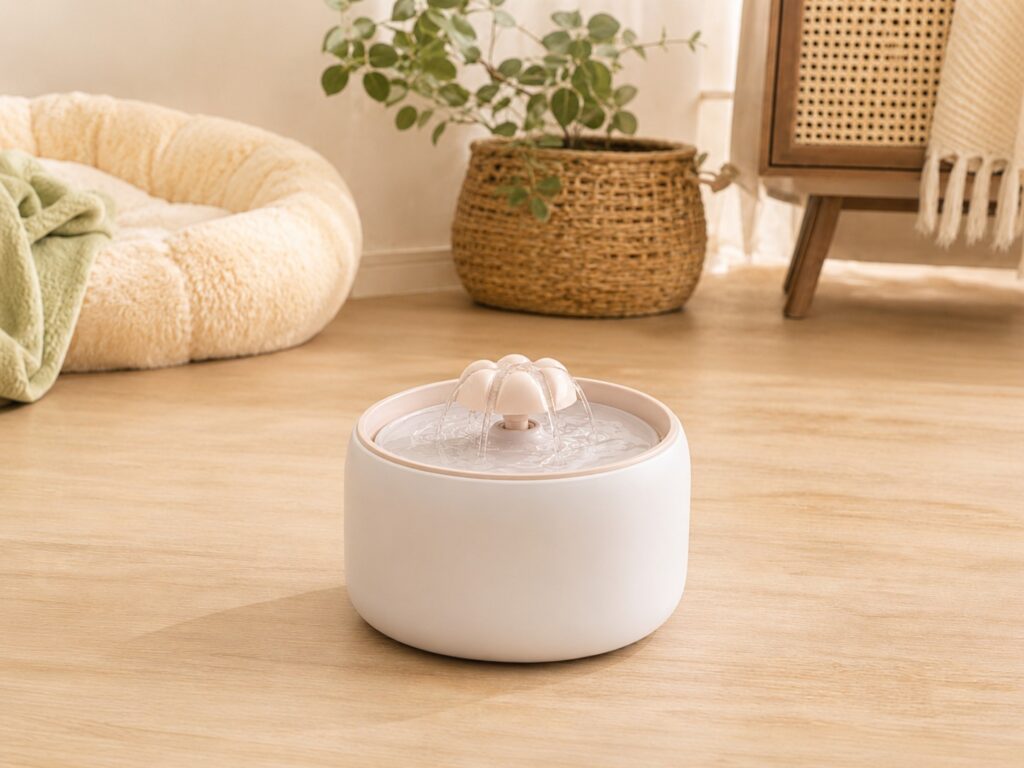
Try to place the water bowl away from the litter box and, if possible, not directly beside the food bowl. Some cats prefer drinking water in a separate area.
4. Choose Cat Food and Treats
If your cat is coming from a shelter, breeder, rescue, or previous home, ask what food they have been eating. Keeping the same food at first can help avoid stomach upset during the transition.
If you want to change food later, do it gradually over several days. Sudden food changes can be stressful for your cat’s digestion.
Treats can also be useful for bonding, training, and helping your cat feel more comfortable, but use them in small amounts.
5. Create a Cozy Resting Spot
Cats need a safe place to rest. This can be a soft cat bed, blanket, cushion, or quiet corner where they can sleep without being bothered.
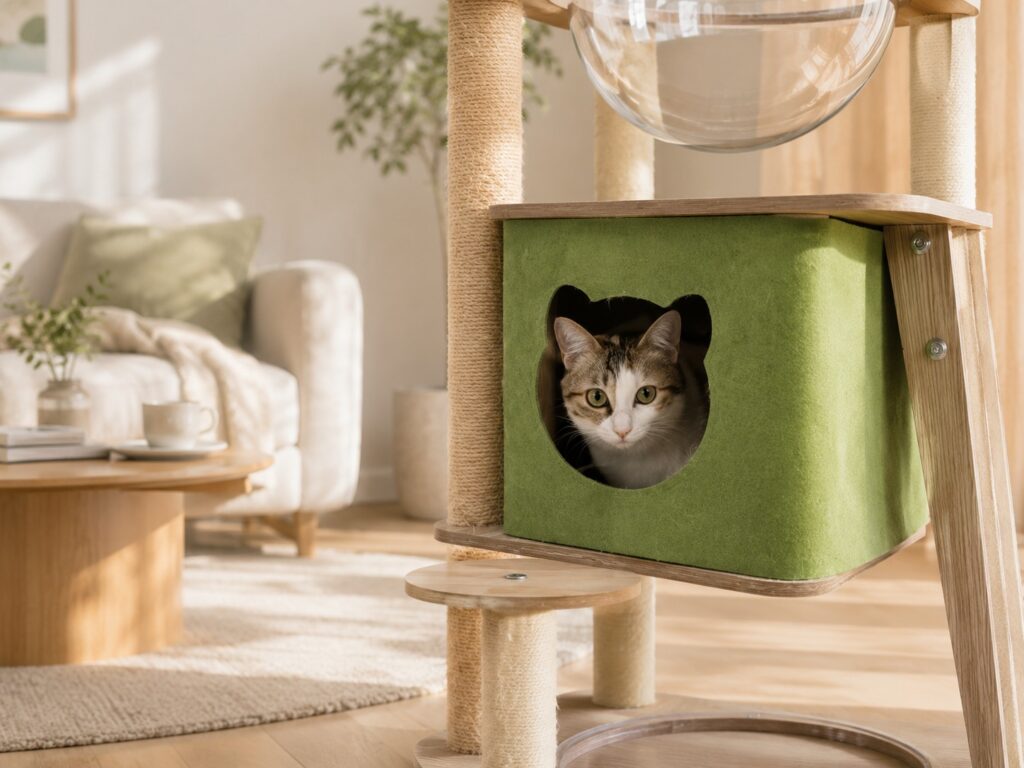
Some cats like enclosed beds or hiding spots, while others prefer open cushions or window spots. If your cat is shy, a covered bed, box, or small hideaway can help them feel more secure.
You can also place a familiar blanket or soft towel in their resting area to make the space feel warmer and calmer.
6. Add Scratching Options
Scratching is normal cat behavior. Cats scratch to stretch, mark territory, and care for their claws. If you do not provide a scratching option, your cat may choose the sofa, rug, or furniture instead.
Start with at least one scratching post, cardboard scratcher, or scratching mat. Some cats prefer vertical scratching posts, while others like horizontal cardboard scratchers.
Place the scratcher near your cat’s resting area or near furniture they may be interested in scratching.
7. Prepare a Few Simple Toys
Toys help your cat stay active, curious, and mentally stimulated. You do not need a large toy collection at first. A few simple options are enough.
Good starter toys include:
• Wand toy
• Soft catnip toy
• Small ball
• Kicker toy
• Puzzle or treat toy
If you are not sure which toys to start with, compare our best cat toys for indoor cats for different play styles, ages, and enrichment needs.
Wand toys are especially helpful because they let you play with your cat and build trust. After playtime, put away toys with strings, feathers, or small parts for safety.
For first-time cat owners who want to keep things simple, a cat toy bundle is a practical option. It offers multiple toy types in one set, helping your cat stay active, engaged, and mentally stimulated from the beginning.

8. Cat-Proof Your Home
Before your cat arrives, check your home for anything that could be unsafe.
Look for:
• Loose cords
• Small objects that could be swallowed
• Toxic plants
• Open windows or loose screens
• Cleaning products
• Fragile items on shelves
• Small spaces where your cat could get stuck
Cats are curious, and a new cat may hide in unexpected places. Close off unsafe areas and keep breakable or dangerous items out of reach. Once your cat begins spending short periods home alone, a pet camera can also be a useful optional tool for checking their favorite resting and feeding areas.
9. Prepare Basic Grooming Supplies
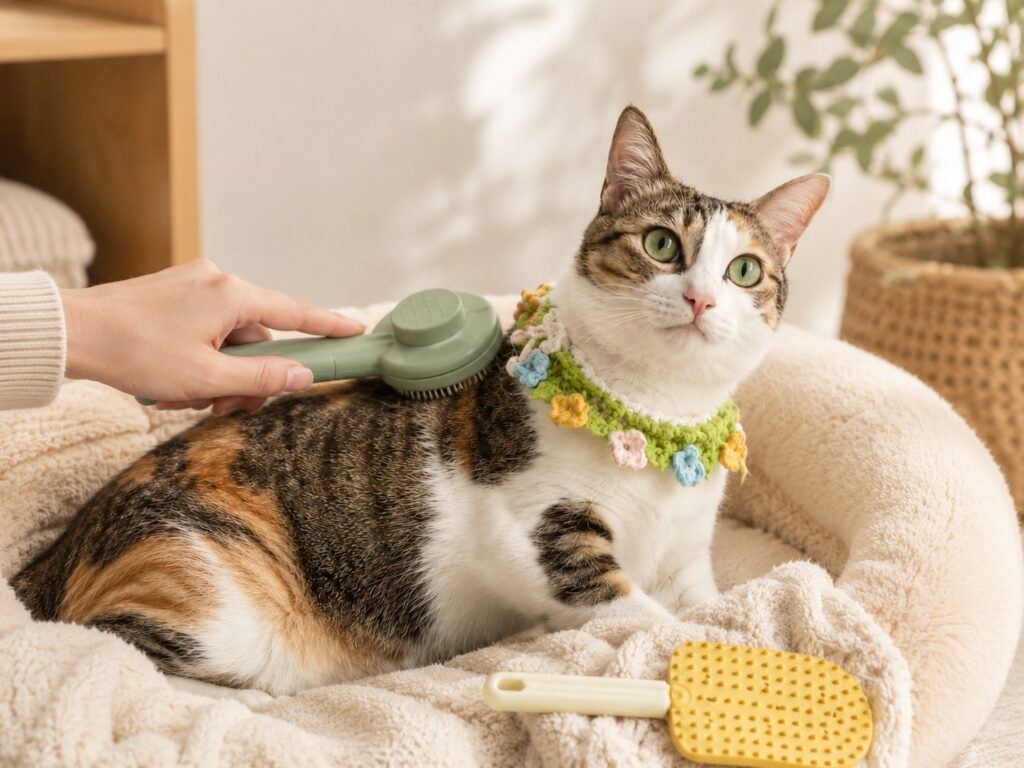
Even if your cat does not need heavy grooming, a few basic tools are helpful to have at home.
You may want:
• Cat brush
• Nail clippers
• Pet wipes
• Toothbrush or dental care items
• Soft towel
Start grooming slowly. Let your cat sniff the brush or clippers first, and keep early sessions short and gentle. Do not force grooming when your cat is already stressed from adjusting to a new home. A small pair of cat nail clippers is also useful for routine grooming, especially if you plan to trim your cat’s nails at home.
10. Get a Carrier for Vet Visits
A cat carrier is essential, even if you do not plan to travel often. You will need it for vet visits, emergencies, moving, or any situation where your cat needs to leave the home safely.
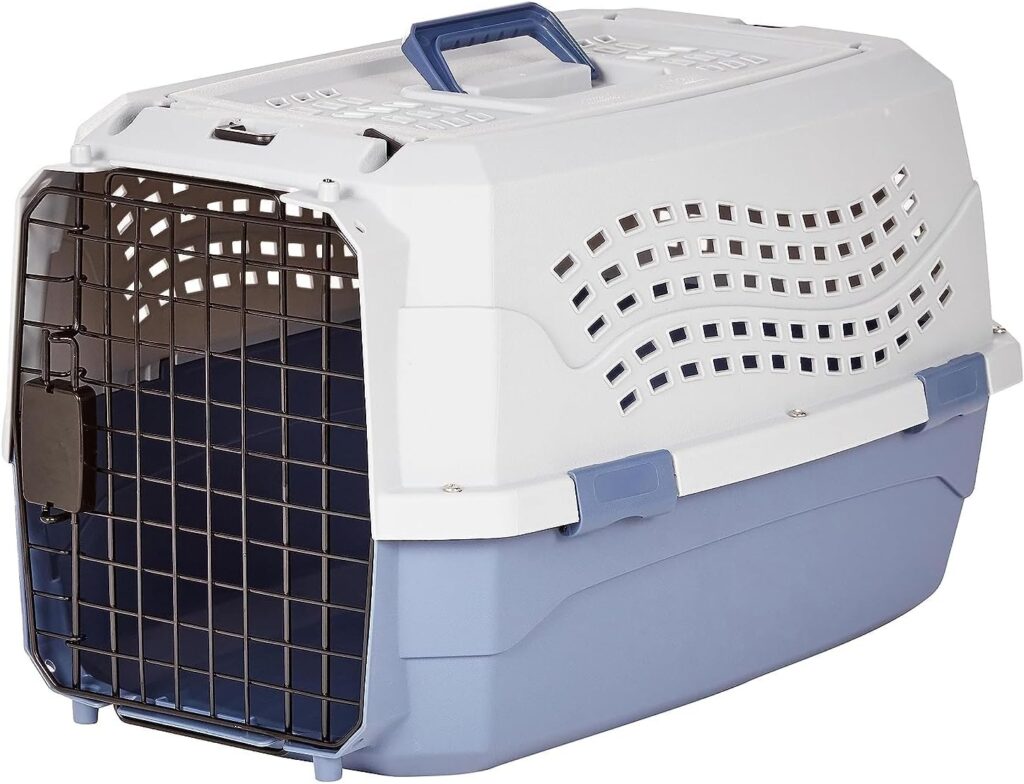
For many cats, a carrier with a top opening can make loading easier. A soft-sided carrier may be lighter for short trips, while a hard-sided carrier can be easier to clean and more structured.
Leave the carrier out at home sometimes so your cat does not only associate it with stressful trips.
Hard-Sided Cat Carrier: Amazon Basics 2-Door Top-Load Hard-Sided Pet Travel Carrier:
New Cat First-Day Tips
When your cat first arrives, keep things calm and simple. Open the carrier in the starter room and let your cat come out at their own pace. Some cats explore right away, while others hide for hours or even a few days.
Do not force your cat to interact. Sit quietly nearby, speak softly, and let them choose when to approach. Make sure food, water, litter, and a resting spot are easy to find.
The first few days are about trust, not perfect behavior. Give your cat time, space, and a predictable routine.
Quick New Cat Checklist
Before your cat comes home, prepare:
• Quiet starter room
• Litter box and litter
• Food and water bowls
• Cat food
• Soft bed or blanket
• Scratching post or cardboard scratcher
• A few safe toys
• Cat carrier
• Grooming basics
• Safe, cat-proofed space
Related Guides and Picks
If you are setting up your home for a new cat, you may also find these helpful:
• Best Cat Litter Boxes for Small Apartments
• Best Cat Water Fountains for Fresh Drinking Water
• Best Cat Toys for Indoor Cats
• Best Cat Carriers for Vet Visits
• Cozy Cat Corner Ideas for Small Apartments
FAQ
What should I buy before bringing a new cat home?
Start with a litter box, litter, food, water bowls, a bed or blanket, scratching post, toys, and a secure carrier.
Should I let my new cat explore the whole home right away?
It is usually better to start with one quiet room and slowly let your cat explore more space as they become comfortable.
How long does it take a new cat to adjust?
Some cats adjust within a few days, while others may need several weeks to feel fully comfortable in a new home.
Where should I put the litter box for a new cat?
Place it in a quiet, easy-to-access area away from food and water, and avoid places with loud noises or heavy traffic.
What if my new cat hides after coming home?
Hiding is normal. Give your cat time, keep the room calm, and let them come out when they feel safe.
Do I need a cat tree right away?
A cat tree is helpful but not required on the first day. Start with essentials first, then add climbing furniture once your cat begins to settle in.
Final Thoughts
Preparing for a new cat does not have to be complicated. Focus on the basics first: a calm space, litter box, food and water, a cozy resting area, scratching options, safe toys, and a carrier.
Your new cat may need time to adjust, and that is completely normal. A quiet setup, gentle routine, and patient approach can help your cat feel safer in their new home. Over time, you can add more products, furniture, and enrichment based on your cat’s personality and daily habits.