Affiliate Disclosure: As an Amazon Associate, we earn from qualifying purchases. This post contains affiliate links, which means we may earn a small commission if you buy through our links, at no extra cost to you.

Introduction
A clean litter box is one of the most important parts of indoor cat care. Cats are naturally clean animals, and many cats are sensitive to dirty litter boxes, strong smells, or uncomfortable bathroom areas.
For cat parents, regular cleaning also helps keep the home fresher, reduces odor, and makes daily litter care easier. The good news is that cleaning a cat litter box does not have to be complicated. With a simple routine, you can keep your cat’s litter area cleaner and more comfortable.
In this guide, we’ll cover how often to scoop and deep clean a litter box, what to use, what to avoid, and simple steps for keeping the litter area fresher at home.
Why Regular Litter Box Cleaning Matters
A litter box is not just a home cleaning issue. It can also affect your cat’s comfort and bathroom habits.
If a litter box is left dirty for too long, it can develop strong odors, stuck urine clumps, bacteria buildup, and an unpleasant surface that your cat may not want to use. Some cats may start avoiding the box, urinating outside the box, or holding urine longer than they should.
For clean-loving cats, a dirty litter box can become stressful. If your cat suddenly stops using the litter box, urinates outside the box, cries while trying to pee, or seems to strain without producing urine, do not treat it as a simple behavior problem. Contact a veterinarian, because urinary issues can become serious quickly.
A clean litter box helps your cat feel safer, more comfortable, and more willing to use the box normally.
How Often Should You Clean a Cat Litter Box?
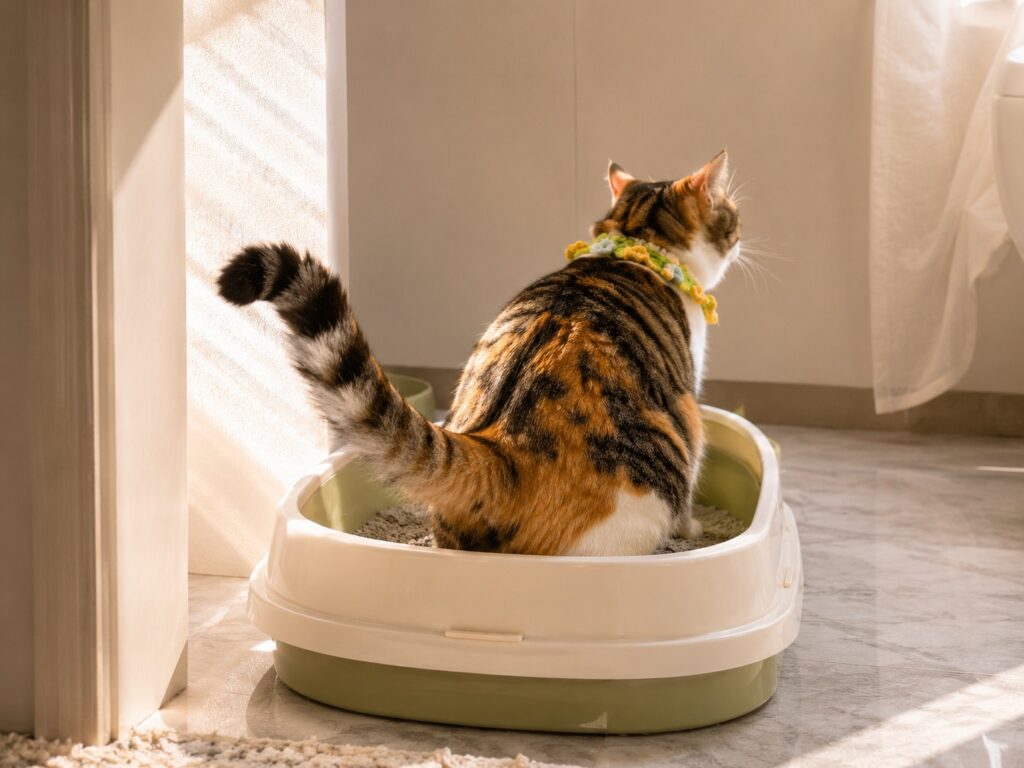
For daily care, scoop the litter box at least once a day. This means removing feces and urine clumps so the box stays fresh and usable.
For deep cleaning, a good routine is to fully empty and wash the litter box about every two weeks. Some homes may need to clean more often, especially if:
• You have more than one cat
• The litter box is in a small apartment
• Your cat is sensitive to smells
• The litter gets wet or sticky quickly
• The box has visible residue or odor
• Your cat has recently had stomach or urinary issues
If the litter box smells bad even after scooping, it is probably time for a full clean.
Example pick:Automatic Litter Box for Busy Cat Parents
If daily scooping is hard to keep up with because of a busy work schedule, a self-cleaning litter box can make litter care easier. Some automatic litter boxes clean after your cat uses the box and collect waste into a lined container or trash bag, so you can lift out the bag and throw it away more easily.
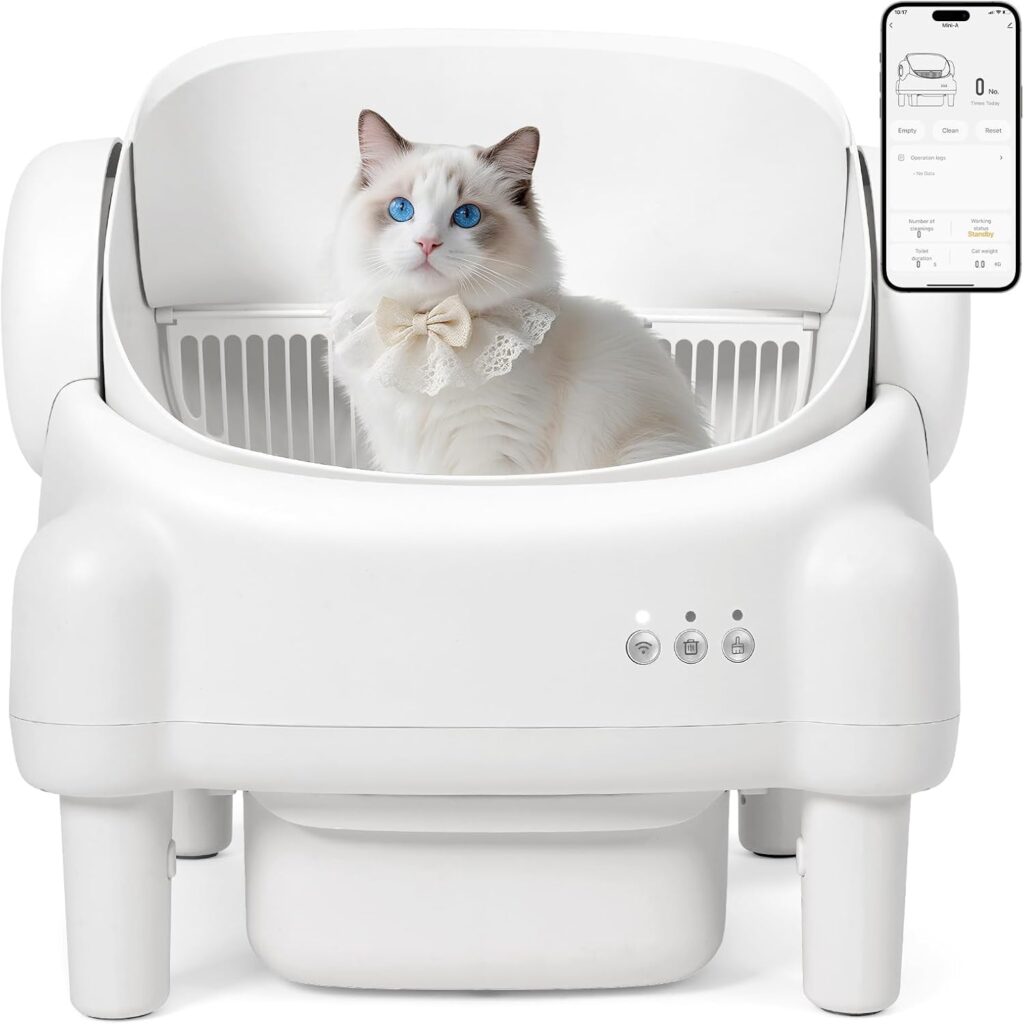
Even with an automatic litter box, regular maintenance is still important. Empty the waste bin, check the liner, wipe the inner surfaces, and deep clean the unit according to the manufacturer’s instructions.
Daily Cleaning: Scoop the Litter Box
Daily scooping is the most important habit for keeping the litter box fresh.
Use a sturdy litter scoop to remove:
• Urine clumps
• Feces
• Broken clumps
• Wet or sticky litter
• Any litter stuck to the sides or bottom
After scooping, add a little fresh litter if the level becomes too low. Most cats prefer enough litter to dig and cover comfortably.
For small apartments, daily scooping matters even more because odors spread quickly in limited space.
How to Deep Clean a Cat Litter Box
A full litter box cleaning helps remove odor, residue, and buildup that daily scooping cannot fully fix.
Here is a simple step-by-step cleaning routine:
Step 1: Empty All the Litter
Pour out all the used litter. Do not just add fresh litter on top of old, dirty litter during a deep clean. Fully emptying the box gives you a cleaner reset.
If the litter is stuck to the bottom, gently loosen it with a scoop before washing.
Step 2: Soak the Litter Box
After emptying the box, rinse it with warm water and let it soak for a short time. This helps soften stuck litter, urine residue, and odor buildup.
You can use a mild, cat-safe cleaner or unscented soap. Avoid harsh chemicals, strong disinfectants, bleach-heavy smells, or heavily scented cleaning products unless your veterinarian specifically recommends a safe method.
Cats have sensitive noses, and strong smells may make them avoid the box.
Step 3: Scrub the Box
Use a brush, sponge, or cleaning cloth to scrub the inside of the litter box. Pay attention to the corners, edges, and bottom, where litter dust and urine clumps often stick.
If you use a cleaner, rinse the box several times afterward. This is important because cleaning residue can bother your cat’s paws and nose.
Step 4: Rinse Well
Rinse the litter box thoroughly with clean water. There should be no soap smell or cleaner residue left behind.
If you can still smell the cleaner, keep rinsing.
Step 5: Dry the Litter Box Completely
Let the litter box air dry, or dry it with a clean towel before adding fresh litter.
Do not add litter while the box is still wet. Moisture can make litter clump too early, stick to the bottom, or create odor faster.
Step 6: Refill with Fresh Litter
Once the box is fully dry, add clean litter. Make sure the litter level is comfortable for your cat to dig and cover.
If your cat is sensitive to changes, try not to switch litter type suddenly during the same cleaning. Sudden changes in smell or texture can make some cats hesitate to use the box.
What to Use When Cleaning a Litter Box
Simple is usually better.
Good cleaning options include:
• Warm water
• Unscented mild soap
• Gentle pet-safe cleaner
• Baking soda if your cat tolerates it
• A dedicated litter box brush or sponge
• Paper towels or clean cloths
Keep litter box cleaning tools separate from kitchen or bathroom cleaning tools.
What to Avoid When Cleaning
Some cleaning products can leave strong smells or residues that cats dislike.
Try to avoid:
• Strongly scented cleaners
• Harsh disinfectants
• Strong bleach smell
• Ammonia-based cleaners
• Essential oil cleaners
• Heavy perfumes or deodorizing sprays
Ammonia-based cleaners are especially not ideal around urine areas because their smell may resemble urine and confuse cats.
If you want to disinfect the box, choose a cat-safe option and rinse very thoroughly.
A Simple Litter Mix Tip for Odor and Sticking
If you use clumping litter, one practical method is to mix mineral litter and tofu litter at about a 1:1 ratio.
This kind of mix may help:
• Reduce urine clumps sticking to the bottom
• Improve odor control
• Make scooping easier
• Keep the box fresher between deep cleans
However, not every cat likes the same litter texture. If your cat is already comfortable with their current litter, introduce any change slowly. Mix a small amount at first and watch whether your cat continues using the box normally.
If your cat avoids the litter box after a litter change, go back to the old litter and make adjustments more gradually.
Example pick:pidan Tofu Cat Litter
Some cat parents use a 1:1 mix of tofu cat litter and clumping clay litter. The tofu litter can help with lower dust and lighter texture, while the clay litter can improve firm clumping. This mix may help reduce urine clumps sticking to the bottom of the box and support better odor control.
I have used pidan Tofu Cat Litter since I started caring for my cat, and I like that it creates less dust and helps absorb odor well. If you want to try a lower-dust litter option, this can be a practical choice for everyday litter care.
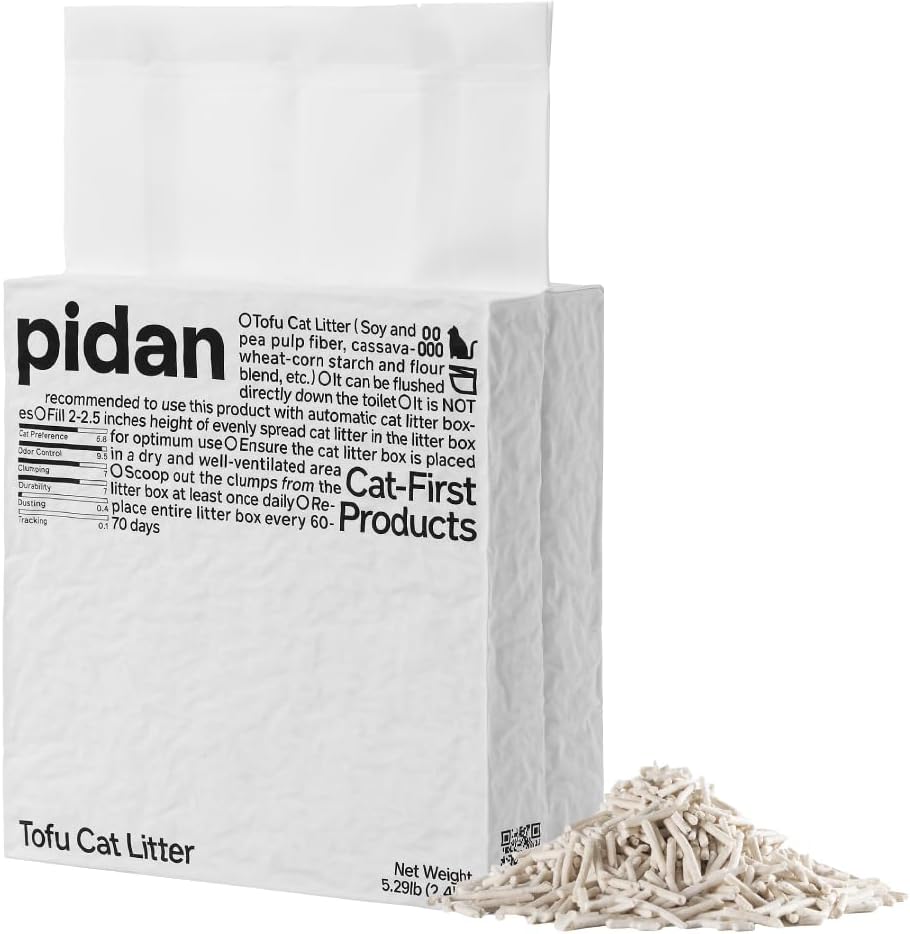
If your cat is sensitive to litter changes, introduce any new litter slowly and watch whether your cat continues using the box normally.
How to Control Litter Box Odor
Odor control starts with regular cleaning. Deodorizers can help a little, but they should not replace scooping and deep cleaning.
To reduce litter box odor:
• Scoop daily
• Deep clean the box regularly
• Keep enough fresh litter in the box
• Use a litter mat to reduce tracking
• Place the box in a ventilated area
• Avoid overcrowding one box with multiple cats
• Replace old litter boxes when they smell even after washing
If the box smells bad shortly after cleaning, the plastic may have absorbed odor over time. Scratched plastic can also hold residue more easily.
Cleaning Tips for Small Apartments
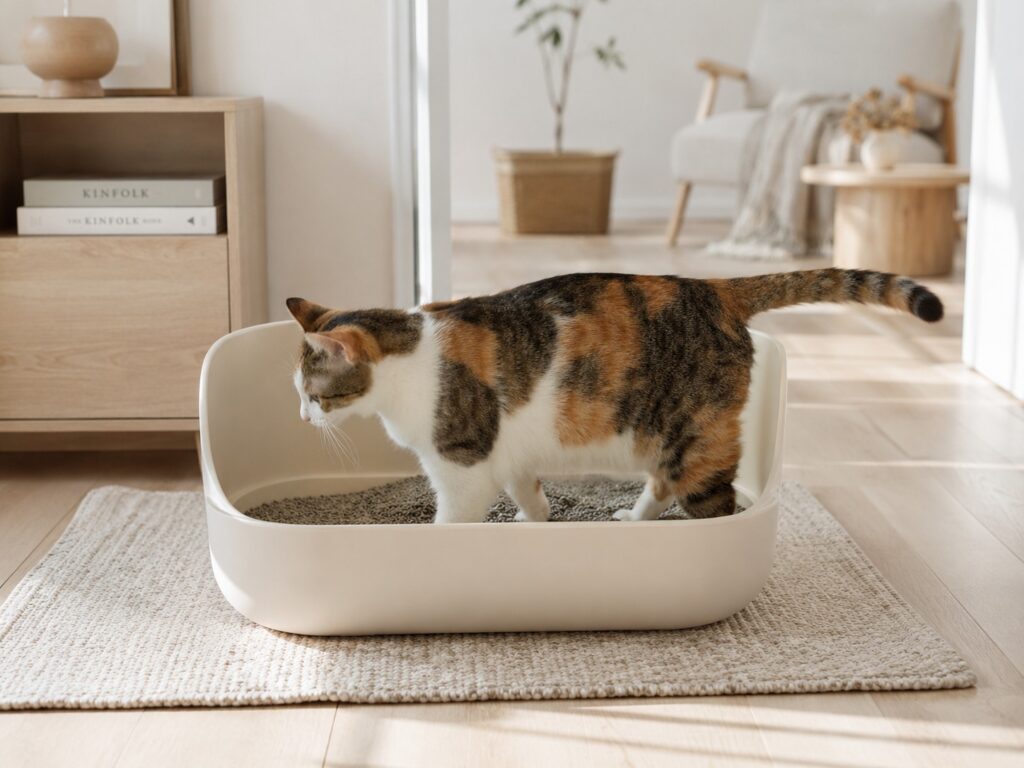
In small apartments, litter box odor can feel stronger because the space is limited. A few small habits can make a big difference. Choosing an easy-to-maintain small apartment litter box can make regular cleaning much simpler when the box sits close to everyday living areas.
Try these tips:
• Scoop at least once daily
• Keep a small trash bag or disposal bag nearby
• Use a litter mat under the box
• Choose a low-traffic but ventilated corner
• Avoid placing the box directly beside food and water
• Deep clean more often if smells build up quickly
• Consider a backup litter box if you will be away from home
A simple open litter pan can work well as a backup box when you are traveling or leaving your cat home alone for a short time. When refilling the box, a low-tracking litter can help reduce the amount of litter carried onto surrounding floors.
When to Replace the Litter Box
Even with regular cleaning, litter boxes do not last forever. Plastic can get scratched, stained, or hold odors over time.
You may need to replace the litter box if:
• It smells bad even after washing
• The bottom is scratched or rough
• Urine clumps stick badly every time
• The plastic is cracked
• Your cat suddenly avoids the box
• The box is too small for your cat now
A clean, comfortable, properly sized litter box is easier for your cat to use and easier for you to maintain.
Quick Cleaning Checklist
For daily cleaning:
• Scoop urine clumps
• Remove feces
• Add fresh litter if needed
• Check for odor or sticking
For deep cleaning:
• Empty all litter
• Soak the box
• Wash with mild cat-safe cleaner
• Scrub corners and bottom
• Rinse several times
• Dry completely
• Refill with fresh litter
Related Guides and Picks
You may also find these helpful:
• Best Cat Litter Boxes for Small Apartments
• How to Choose the Right Litter Box for Your Cat
• Leaving Your Cat Home Alone: What to Prepare Before You Travel
• New Cat Checklist: What to Prepare Before Bringing Your Cat Home
FAQ
How often should I scoop a cat litter box?
You should scoop the litter box at least once a day. If you have multiple cats or a small apartment, scooping twice a day may help keep the box fresher.
How often should I fully clean a cat litter box?
A good routine is to deep clean the litter box about every two weeks. Some homes may need weekly cleaning depending on odor, litter type, and how many cats use the box.
What should I use to clean a cat litter box?
Warm water and mild unscented soap are usually enough. You can also use a gentle pet-safe cleaner, but rinse very thoroughly before adding fresh litter.
Can I use bleach to clean a litter box?
It is better to avoid strong-smelling cleaners unless you are sure they are safe and properly diluted. Strong chemical smells can make some cats avoid the litter box. If you use any disinfectant, rinse extremely well and dry the box completely.
Why does my cat avoid the litter box after I clean it?
The cleaner may smell too strong, the litter type may have changed, or the box may have been moved. Cats can be sensitive to changes in smell, texture, and location.
Can a dirty litter box make cats pee outside the box?
Yes, some cats may avoid a dirty litter box and pee or poop elsewhere. However, sudden litter box avoidance can also be caused by medical issues, stress, or pain, so watch your cat carefully.
When should I replace the litter box?
Replace the litter box when it stays smelly after cleaning, has deep scratches, cracks, or becomes too small for your cat.
Final Thoughts
Cleaning a cat litter box is not just about keeping your home fresh. It also helps your cat feel comfortable, safe, and willing to use the box normally.
Scoop every day, deep clean the box regularly, use mild cat-safe cleaning products, rinse well, and let the box dry before adding fresh litter. A clean litter box routine can make indoor cat care easier, reduce odor, and support a calmer, healthier home for both you and your cat.