How to Choose a Cat Water Fountain
Affiliate Disclosure: As an Amazon Associate, we earn from qualifying purchases. This post contains affiliate links, which means we may earn a small commission if you buy through our links, at no extra cost to you.
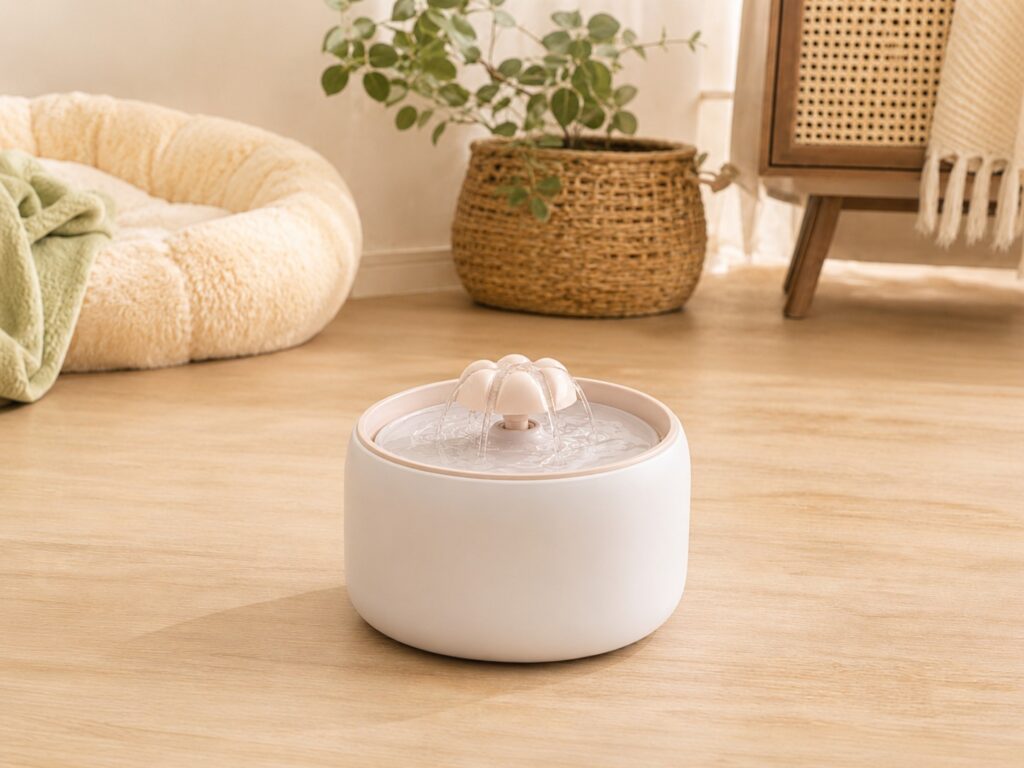
Cats are naturally curious, but many of them do not drink enough water from a regular bowl. A cat water fountain can encourage better drinking habits by keeping water moving, fresh, and more appealing. However, not every fountain is suitable for every cat. The right choice depends on your cat’s personality, your home environment, and how much maintenance you are willing to do.
In this guide, we’ll walk through the key things to consider before choosing a cat water fountain.
Why Choose a Cat Water Fountain?
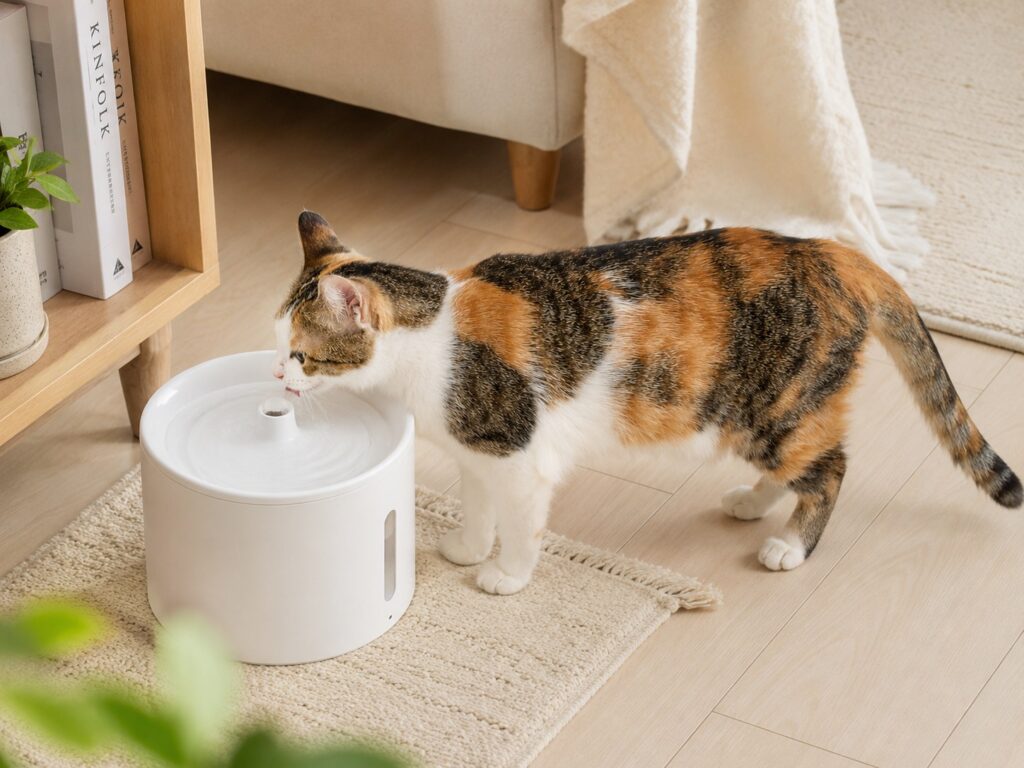
Many cats prefer running water because it feels fresher and more interesting than still water in a bowl. A fountain can make drinking more engaging, especially for cats that are picky, curious, or easily attracted to movement.
A good cat water fountain may help:
- Encourage cats to drink more often
- Keep water circulating and fresher
- Reduce dust, hair, and debris in the water
- Make hydration easier for multi-cat households
- Support daily comfort, especially for cats that eat mostly dry food
1. Choose the Right Material
The material of the fountain matters because it affects cleanliness, durability, and overall safety.
Stainless Steel
Stainless steel fountains are durable, easy to clean, and less likely to hold odors. They are a good choice for pet parents who want a long-lasting and hygienic option.
Example Pick:Veken 108oz Pet Fountain
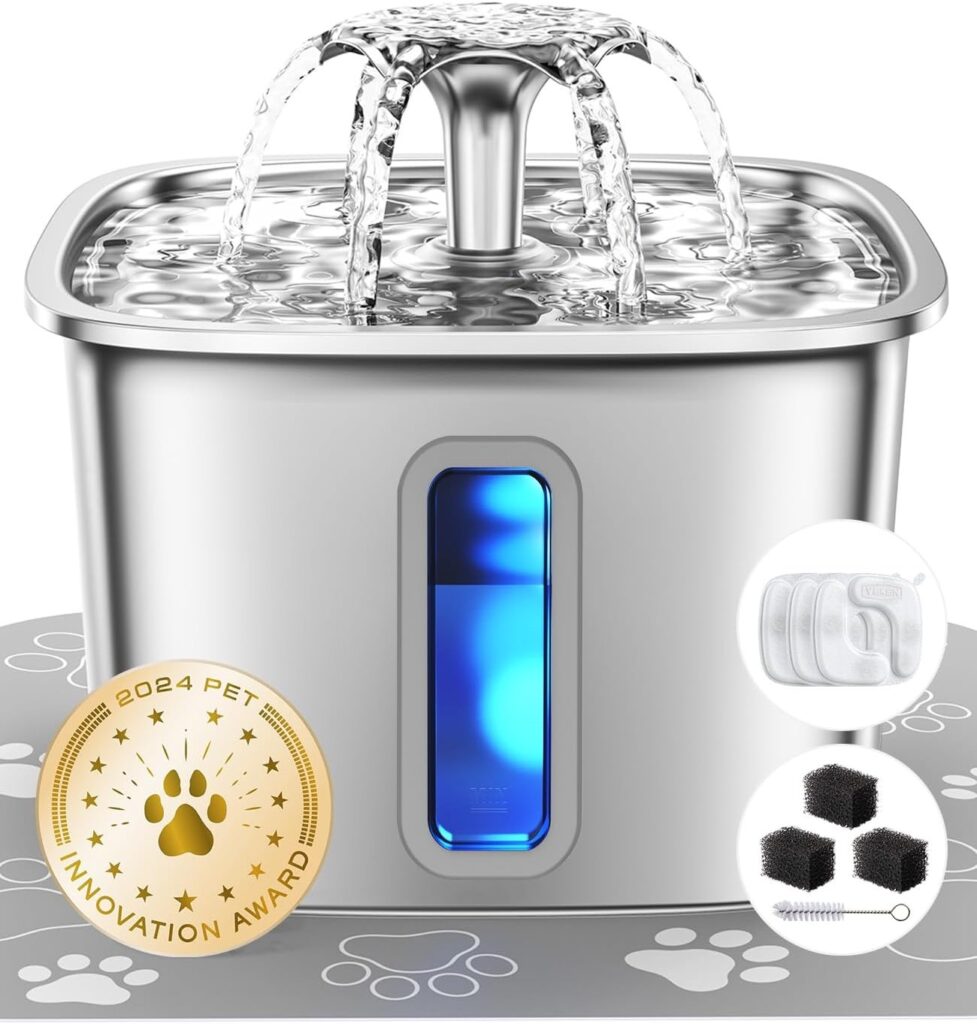
For cat parents who prefer a cleaner and more durable option, this stainless steel cat water fountain is worth considering. Its stainless steel design makes it easy to rinse and less likely to hold odors, while the simple structure helps make daily maintenance more manageable.
It is a practical choice for everyday use, especially for indoor cats, multi-cat homes, or owners who want a fountain that feels more hygienic than a basic plastic bowl.
Ceramic
Ceramic fountains usually have a heavier, more stable design. They often look more stylish and blend well with home decor. However, they can be heavier to move and may break if dropped.
Plastic
Plastic fountains are usually lightweight and more affordable. They can be a good beginner option, but they may scratch more easily over time, which can make cleaning harder.
2. Consider the Size and Water Capacity
Before buying a fountain, think about how many cats you have and how often you want to refill it.
For one cat, a smaller fountain may be enough. For multiple cats, or if you travel for short periods, a larger water capacity will be more convenient.
A larger fountain can reduce the need for daily refills, but it still needs regular cleaning to keep the water fresh.
3. Look for a Quiet Pump
Noise is one of the most important factors. Some cats may feel nervous around loud motors or splashing sounds. A quiet pump is especially important if you plan to place the fountain in a bedroom, living room, or small apartment.
When choosing a fountain, look for descriptions such as “quiet pump,” “low-noise motor,” or “silent operation.”
Example Pick:Neareal 108oz Stainless Steel Cat Water Fountain
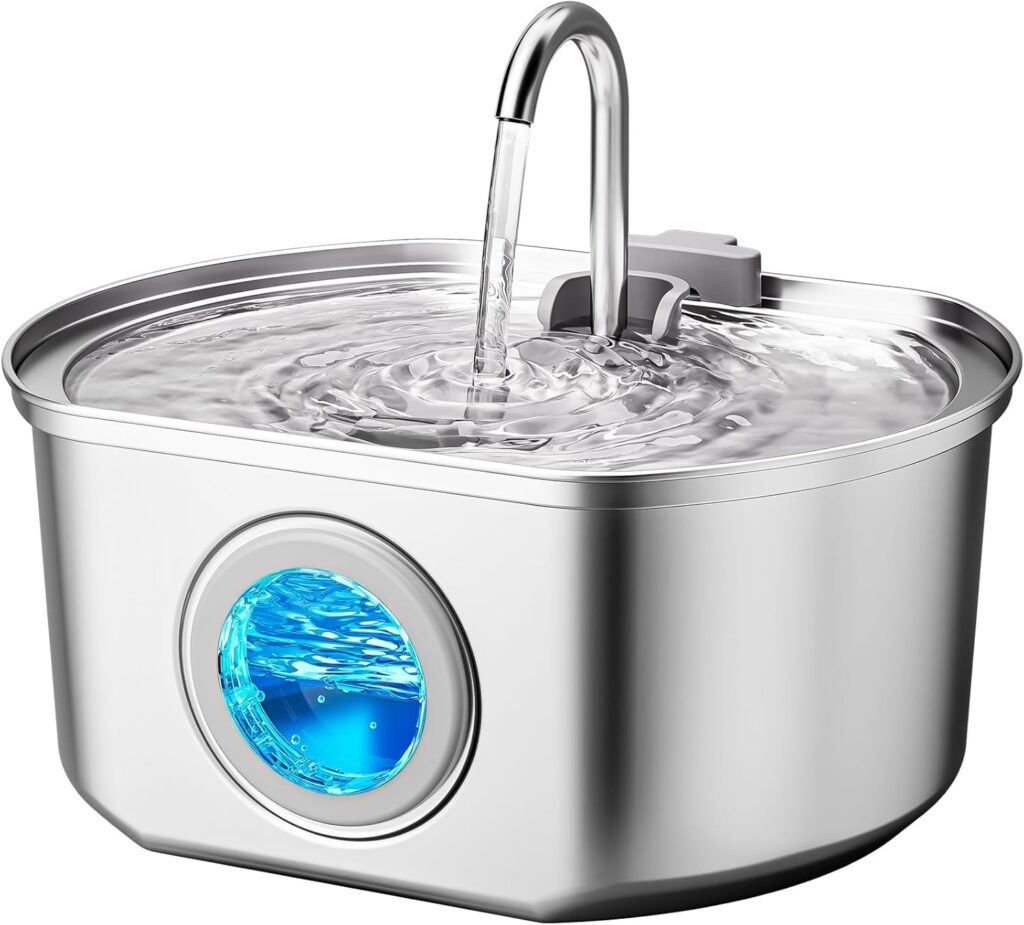
If your cat is sensitive to sound or easily startled by new objects, a quiet pump should be one of the first features to look for. A low-noise fountain can make drinking feel more natural and less stressful, especially if you plan to place it in a bedroom, kitchen, or living room. For cats that are cautious around moving water, a gentle flow with a quiet motor is often easier to accept.
4. Check the Filtration System
Most cat water fountains use filters to help remove hair, dust, and small particles from the water. Some filters also include activated carbon to help reduce odors.
A good filtration system can keep water cleaner, but it also means you need to replace the filters regularly. Before buying, check whether replacement filters are easy to find and affordable.
5. Make Sure It Is Easy to Clean
Even the best cat water fountain needs regular cleaning. If the fountain has too many small parts, narrow corners, or hard-to-remove pieces, it may become annoying to maintain.
Look for a fountain that is easy to take apart, rinse, and reassemble. Dishwasher-safe parts can also be a plus.
6. Choose a Design Your Cat Will Like
Different cats have different drinking preferences. Some cats like a gentle bubbling surface, while others prefer a small stream of flowing water.
If your cat is shy or easily startled, choose a fountain with a soft water flow. If your cat likes playing with faucets, a fountain with a visible stream may be more attractive.
7. Think About Placement
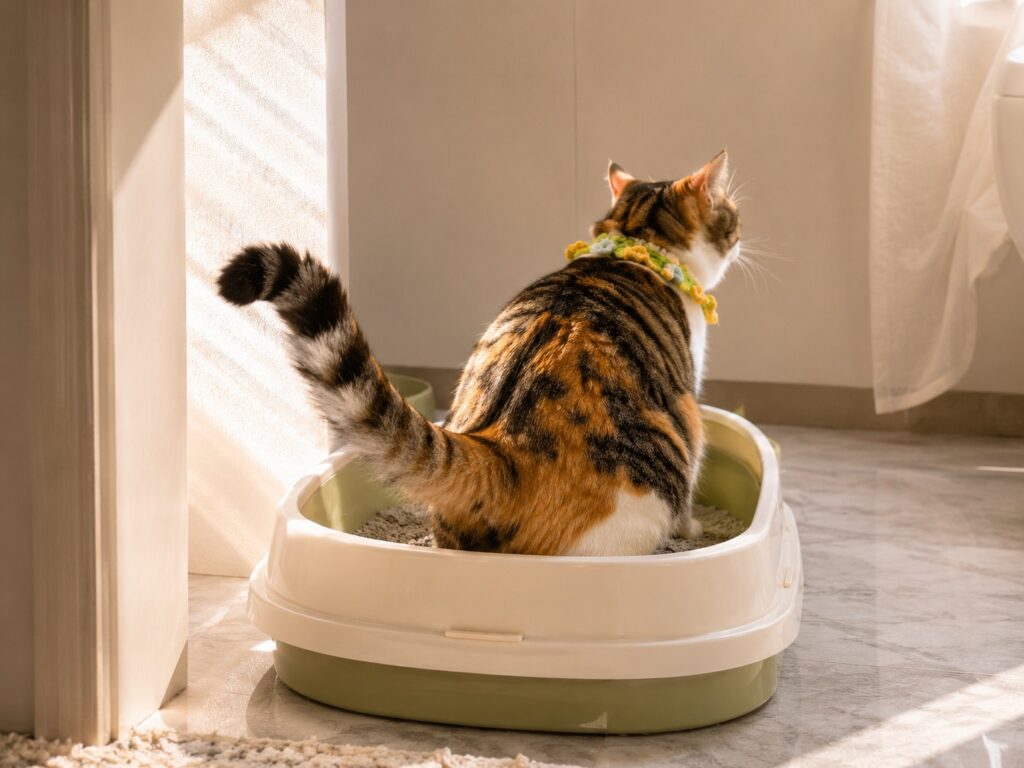
Place the fountain somewhere your cat feels safe and comfortable. Avoid placing it too close to the litter box. Many cats also prefer their water to be away from their food bowl.
A quiet corner, a hallway, or a familiar resting area can be a good choice.
Final Thoughts
Choosing the right cat water fountain is about balancing your cat’s needs with your daily routine. The best fountain should be quiet, easy to clean, safe, and appealing to your cat.
If your cat does not use the fountain immediately, give them time. Some cats need a few days to explore a new water source. Keep their old water bowl nearby at first, and let them adjust naturally.
A well-chosen water fountain can make daily hydration easier, cleaner, and more enjoyable for both you and your cat.