Affiliate Disclosure: As an Amazon Associate, we earn from qualifying purchases. This post contains affiliate links, which means we may earn a small commission if you buy through our links, at no extra cost to you.

Introduction
Leaving your cat home alone while you travel can feel stressful, especially if it is your first time being away. Cats are often more independent than dogs, but they still need a safe home setup, fresh water, reliable food, clean litter, comfort, and regular check-ins.
For a short time away, careful preparation can help your cat stay calm and comfortable. For longer trips, it is usually best to ask a trusted friend, family member, neighbor, or pet sitter to check on your cat.
This guide covers what to prepare before traveling, how to keep your cat safe at home, and when you should not leave your cat alone without help.
1. How Long Can a Cat Be Left Alone?
How long a cat can be left alone depends on their age, health, personality, and routine. Some healthy adult cats can handle being alone for a short overnight trip, while kittens, senior cats, anxious cats, or cats with medical needs should not be left alone for long.
As a general rule, it is better not to rely on automatic supplies for several days without anyone checking in. Food can jam, water can spill, litter boxes can become too dirty, and cats can get stressed or sick unexpectedly.
If you are leaving for more than a day, arrange at least one check-in from someone you trust.
2. Make Food Reliable
Before you travel, make sure your cat has a reliable feeding plan. If you will only be away for a short time, you may be able to prepare measured meals in advance. For longer periods, an automatic feeder can help keep meals consistent.
If you use an automatic feeder, test it several days before your trip. Make sure it opens properly, dispenses the right amount, and does not scare your cat. Avoid using a new feeder for the first time on the day you leave.
It is also helpful to leave backup food instructions for whoever may check on your cat.
3. Provide Enough Fresh Water
Fresh water is one of the most important things to prepare before leaving your cat home alone. Cats can be picky about water, and a single bowl may not be enough if it spills or gets dirty.
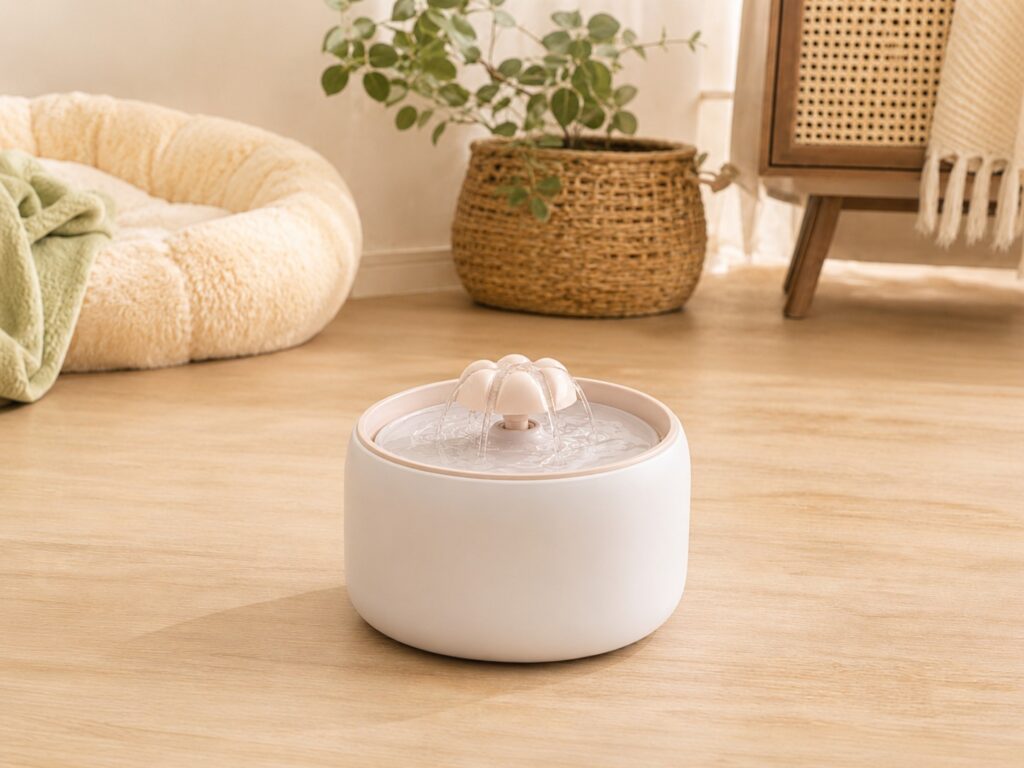
Before traveling, place water in more than one location. You can use a regular bowl, a larger water bowl, or a cat water fountain if your cat already uses one comfortably.
If you use a fountain, clean it before you leave and make sure the water level is full. A fountain can encourage drinking, but it should not be the only water source. Always leave at least one backup bowl.
4. Prepare Extra Litter Box Space
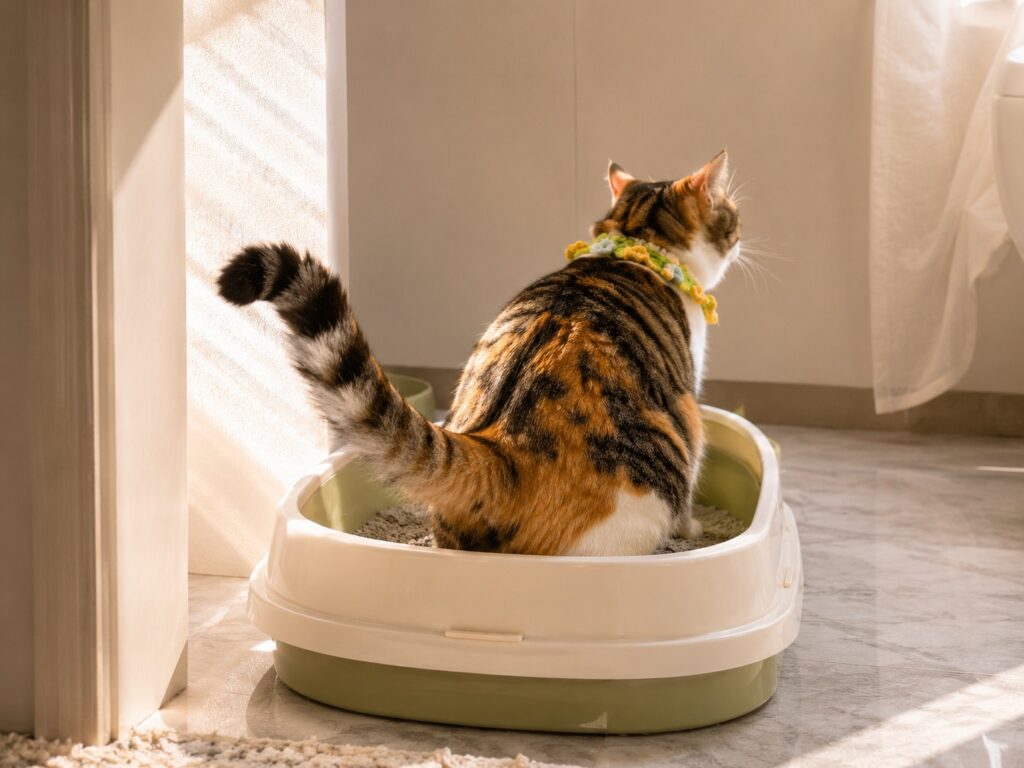
A clean litter box helps your cat feel comfortable while you are away. Before leaving, scoop the litter box, refresh the litter if needed, and make sure the box is easy to access.
For trips longer than one night, consider adding an extra litter box. This is especially useful in small apartments, multi-cat homes, or homes where your cat is sensitive about litter cleanliness.
If a friend or pet sitter will visit, leave clear instructions about scooping and where to dispose of litter.
Example pick:Petmate Basic Open Cat Litter Pan

The Petmate Basic Open Cat Litter Pan is a simple, low-cost option for cat parents who want a no-fuss setup. It does not include extra features like a cover, filter, or hidden furniture design, but it is easy to use, easy to clean, and affordable enough to work as a starter litter box or backup box.
This makes it especially useful when you are leaving your cat home alone for a short trip. Adding an extra open litter box can give your cat more clean space while you are away, especially if no one will be scooping the box until later.
5. Make the Home Safe
Before traveling, walk through your home and remove anything that could become dangerous while you are away.
Check for:
• Loose cords
• Small objects your cat could swallow
• Toxic plants
• Open windows or loose screens
• Plastic bags
• Cleaning products
• Candles or fragile objects
• Appliances your cat could turn on or knock over
Close rooms you do not want your cat to access. Make sure your cat cannot get trapped in a closet, bathroom, laundry room, or storage area.
6. Keep the Temperature Comfortable
Make sure your home stays at a safe and comfortable temperature while you are away. Cats can become uncomfortable if the home gets too hot or too cold.
Before leaving, check your heating, cooling, windows, and curtains. If the weather is warm, make sure your cat has shade, airflow, and fresh water. If the weather is cold, provide warm resting spots and soft blankets.
Do not turn off heating or cooling completely if the indoor temperature could become unsafe.
7. Create Comfortable Resting Areas
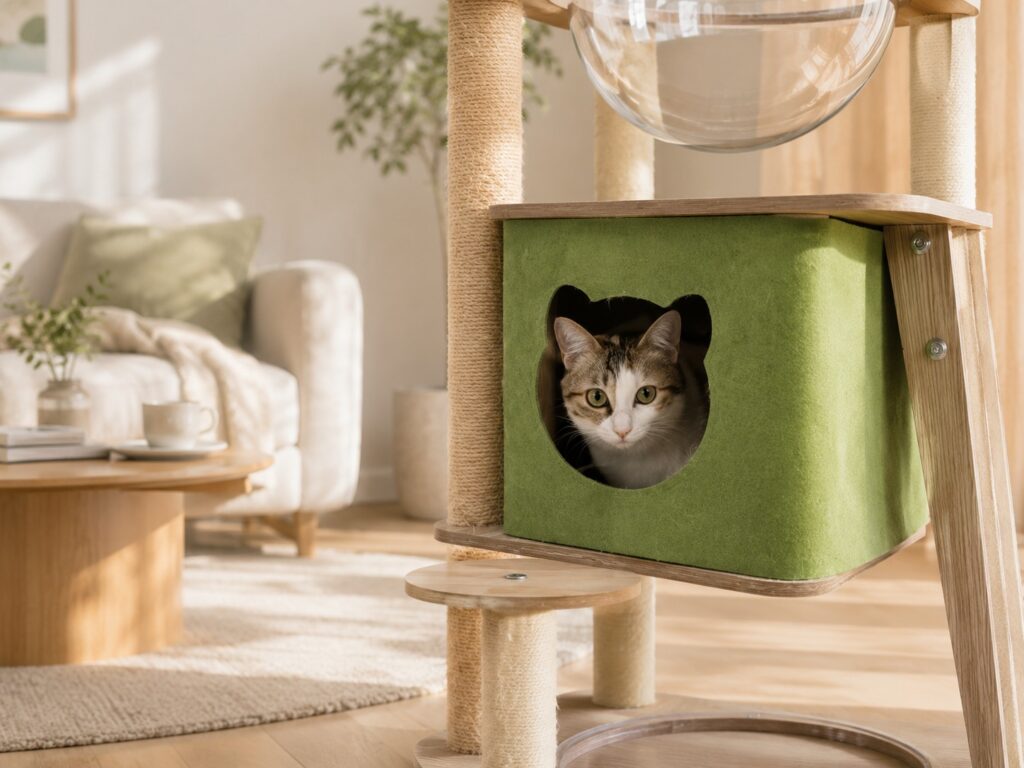
Cats feel safer when they have familiar resting places. Before you travel, make sure your cat has access to their favorite bed, blanket, cat tree, window spot, or quiet corner.
Avoid moving too many things right before your trip. Familiar smells and familiar layouts can help your cat feel more secure.
If your cat likes cozy corners, leave a soft blanket or bed in a calm area away from loud appliances, direct sun, or drafts.
8. Leave Enrichment and Familiar Items
A bored cat may become stressed, restless, or destructive while home alone. Leave a few safe toys and enrichment options to keep them occupied.
Good options include:
• Soft toys
• Catnip toys
• Puzzle toys
• Treat toys
• Scratching posts
• Window perches
• A few hidden treats
Avoid leaving out toys with long strings, loose feathers, sharp parts, or anything your cat might chew and swallow when unsupervised.
For first-time cat owners who want a simple option, a cat toy bundle can be useful because it offers several toy types in one set. Just choose safe toys and remove anything that could be risky without supervision.
Example pick:Catnip Toy

Catnip toys or soft kicker toys can also be helpful while you are away. They can encourage cats to roll, kick, bite, rub, and play more actively, while also giving them something familiar and comforting to focus on when their owner is not home.
For some cats, a favorite soft toy can provide a sense of safety and routine during quiet alone time. Just make sure the toy is safe for unsupervised use, with no loose strings, small parts, or pieces that your cat could chew off and swallow.
9. Consider a Pet Camera
A pet camera is not required, but it can give you peace of mind. It lets you check whether your cat is eating, moving around, resting, and acting normally. If you want to compare different monitoring options, our guide to the best pet cameras for cats includes simple indoor cameras, night-vision models, treat cameras, and mobile options.
Some pet cameras also allow two-way audio, but not every cat likes hearing their owner’s voice when the owner is not there. If your cat seems confused or stressed by the sound, it is better to keep the camera silent.
A camera is helpful, but it should not replace a real check-in for longer trips.
10. Ask Someone to Check In
For trips longer than a short overnight stay, ask someone to check on your cat. A check-in can help confirm that your cat is safe, food and water are available, the litter box is clean, and nothing unexpected has happened.
A pet sitter or trusted visitor can:
• Refill food and water
• Scoop the litter box
• Check your cat’s behavior
• Look for signs of stress or illness
• Bring in packages or check the home
• Spend a little calm time with your cat
Leave clear written instructions, including your vet’s contact information and emergency contact details.
11. When You Should Not Leave a Cat Alone
Some cats should not be left alone for long periods, even with automatic feeders or water fountains.
Avoid leaving your cat alone without check-ins if your cat is:
• A young kitten
• A senior cat with health needs
• Taking medication
• Recently adopted
• Recovering from surgery
• Very anxious
• Not eating normally
• Prone to urinary or digestive issues
• Living in a home with unstable temperature
In these cases, arrange a pet sitter, trusted visitor, or boarding option.
Before You Leave Checklist
Before traveling, make sure you have prepared:
• Reliable food plan
• Extra water bowls
• Clean litter box
• Extra litter box if needed
• Safe toys and enrichment
• Comfortable resting spots
• Scratching post
• Safe room access
• Stable indoor temperature
• Pet sitter or check-in plan
• Vet contact information
• Emergency contact details
Related Guides and Picks
You may also find these helpful:
• Best Cat Water Fountains for Fresh Drinking Water
• Best Cat Litter Boxes for Small Apartments
• Best Cat Toys for Indoor Cats
• New Cat Checklist: What to Prepare Before Bringing Your Cat Home
• Cozy Cat Corner Ideas for Small Apartments
FAQ
Can I leave my cat alone overnight?
Many healthy adult cats can handle one overnight alone if they have food, fresh water, clean litter, and a safe home setup. However, kittens, senior cats, anxious cats, or cats with health needs should have someone check on them.
Can I leave my cat alone for two days?
It is safer to arrange at least one check-in if you will be away for two days. Food, water, litter boxes, and home safety can change unexpectedly.
Do cats get lonely when left alone?
Some cats are more independent, while others miss routine, attention, and companionship. Even if your cat seems independent, they still benefit from check-ins and a calm home setup.
Should I use an automatic feeder?
An automatic feeder can help keep meals consistent, but it should be tested before your trip. It is best used with a backup plan and someone available to check on your cat if needed.
Should I leave a water fountain on while traveling?
A water fountain can be helpful if your cat already uses it, but you should also leave backup water bowls in case the fountain stops working or gets knocked over.
Is a pet sitter necessary?
For longer trips, a pet sitter or trusted visitor is strongly recommended. They can check food, water, litter, safety, and your cat’s overall condition.
Final Thoughts
Leaving your cat home alone takes preparation. A safe setup with reliable food, fresh water, clean litter, cozy resting spots, and safe enrichment can help your cat feel more comfortable while you are away.
For short trips, a careful checklist may be enough for some healthy adult cats. For longer travel, it is best to arrange a trusted person to check in. Your cat may be independent, but they still depend on you to make sure home stays safe, calm, and comfortable. If you decide to bring your cat along instead of leaving them home, our guide to best car accessories for cats covers practical items that can make travel easier.