Affiliate Disclosure: As an Amazon Associate, we earn from qualifying purchases. This post contains affiliate links, which means we may earn a small commission if you buy through our links, at no extra cost to you.
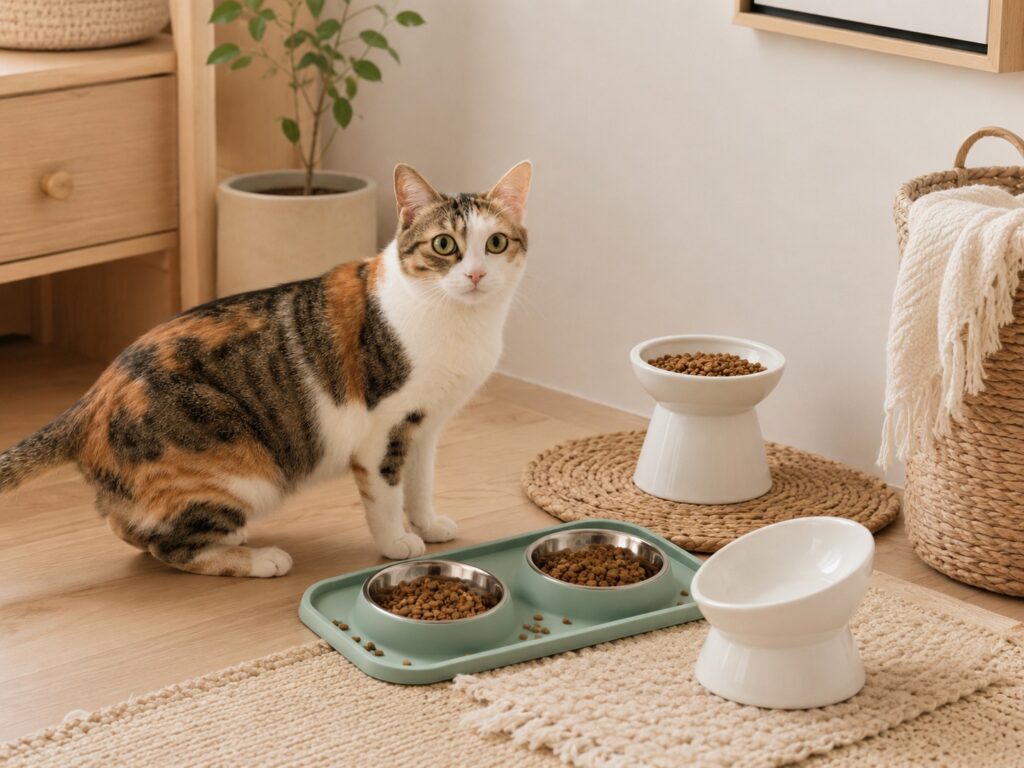
Choosing a cat bowl may seem simple, but the right bowl can make daily feeding cleaner, more comfortable, and easier to manage. Some cats do well with a basic stainless steel bowl, while others may prefer a wide shallow dish, an elevated bowl, a tilted bowl, or a non-slip setup.
The best cat bowl depends on your cat’s eating habits, food type, size, and your home setup. A good bowl should be easy to clean, stable during meals, comfortable for your cat to eat from, and practical for your daily routine.
In this guide, we’ll walk through the most important things to how to choose the right cat bowl, including material, shape, height, size, cleaning, and feeding area setup.
Why the Right Cat Bowl Matters
A cat bowl is not just a small home accessory. It is something your cat uses every day. If the bowl is too deep, too narrow, too lightweight, or hard to clean, mealtime can become less comfortable and messier than it needs to be.
Some cats push food out of the bowl. Some leave food at the edges. Some move the bowl across the floor while eating. Others may avoid certain bowls because the shape, height, or material does not feel right to them.
Choosing the right bowl can help make feeding easier for both you and your cat. It can reduce food scatter, make wet food easier to serve, keep the feeding area cleaner, and help your cat feel more comfortable during meals.
Start with the Bowl Material
The material is one of the first things to consider when choosing a cat bowl. The most common options are stainless steel, ceramic, plastic, and silicone.
Stainless Steel Cat Bowls
Stainless steel bowls are popular because they are durable, lightweight, and easy to clean. They are a practical choice for everyday feeding, especially if your cat eats wet food.
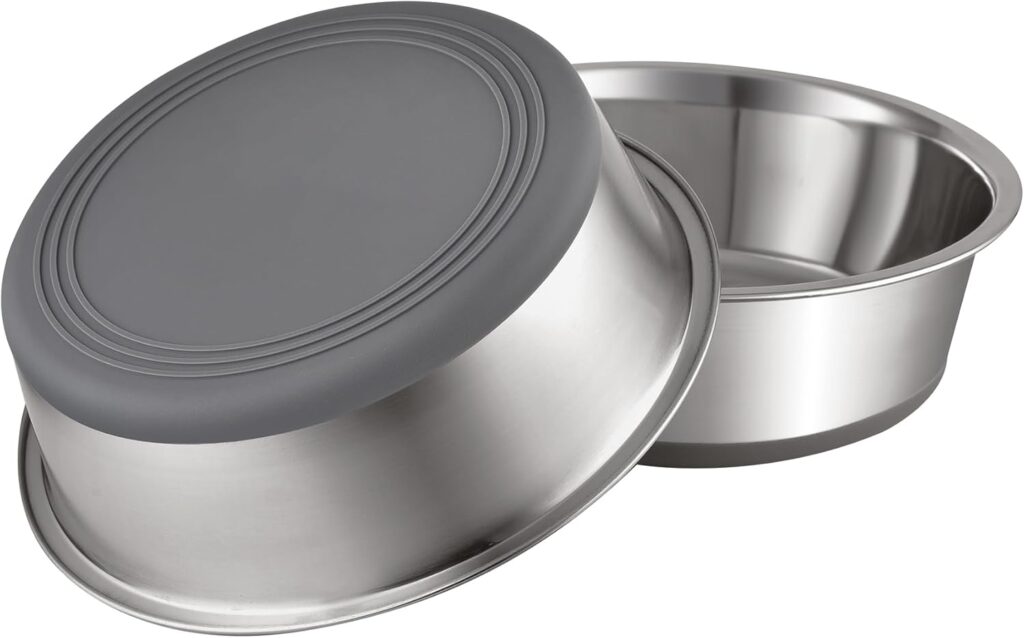
A stainless steel bowl with a non-slip base can be especially helpful if your cat pushes the bowl while eating.
Best for:
Daily feeding, easy cleaning, wet food, dry food, and practical homes.
Things to consider:
Some stainless steel bowls are very light, so they may slide around unless they have a rubber or silicone base.
Example pick: PEGGY11 Nonslip Stainless Steel Dog Cat Bowls
Why We Like It:
This is a strong stainless steel pick because it is simple, durable, and practical. The non-slip base makes it more useful for messy eaters than a plain lightweight stainless steel bowl.
Ceramic Cat Bowls
Ceramic bowls usually feel heavier and more stable than lightweight metal or plastic bowls. They can also look more stylish in a cozy kitchen or cat feeding corner.
A smooth ceramic bowl can work well for both wet food and dry food, especially if it has a wide, shallow shape.
Best for:
Stable feeding, home-friendly style, and cats that push lightweight bowls.
Things to consider:
Ceramic can chip or crack if dropped. If the surface becomes damaged, it is better to replace the bowl.
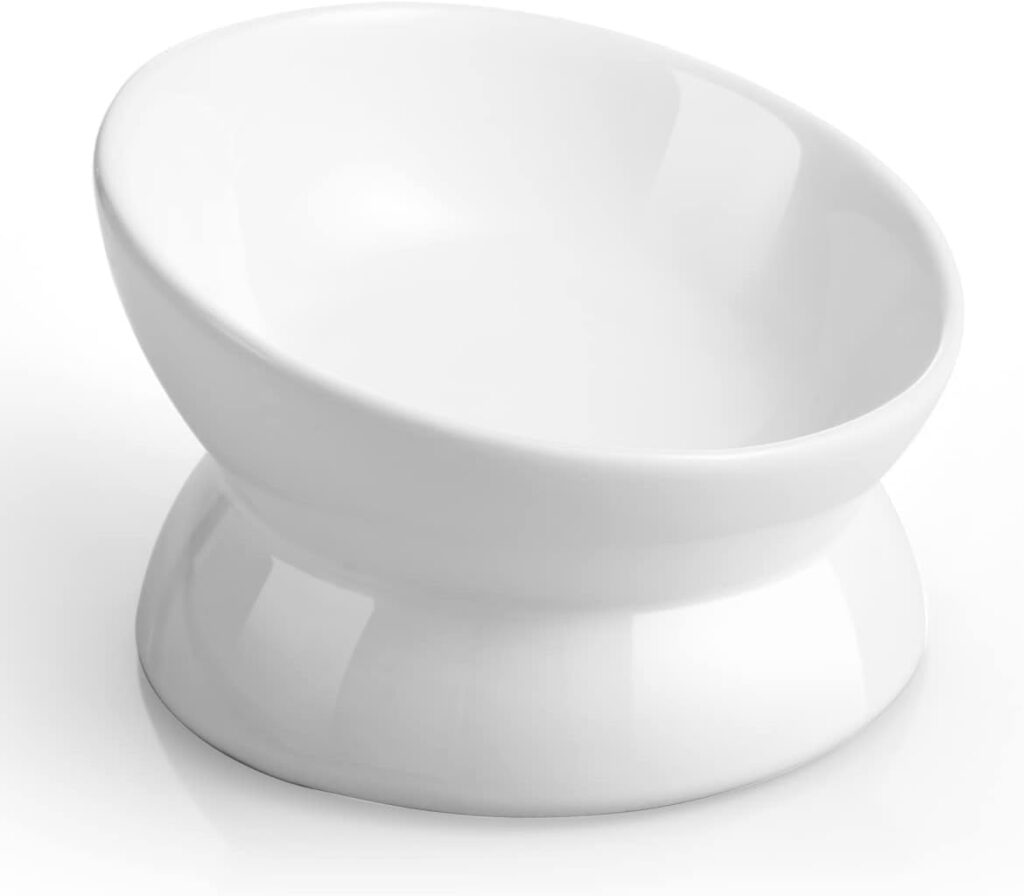
Example pick: LoeJan Elevated Ceramic Cat Food Bowl
Why We Like It:
This bowl works well for a cozy, home-friendly feeding corner. It looks cleaner than many basic bowls, and the ceramic weight can help keep the feeding area more stable.
Plastic Cat Bowls
Plastic bowls are usually affordable and lightweight, but they are not always the best long-term choice. Plastic can scratch over time, and scratches may trap food residue or odors.
If you use a plastic bowl, choose one that is smooth, sturdy, and easy to wash.
Best for:
Temporary use, travel, or budget setups.
Things to consider:
Plastic bowls may hold odors more easily than stainless steel or ceramic. Replace them if they become scratched or worn.
Silicone Cat Bowls
Silicone is often used for travel bowls, feeding mats, or non-slip bases. A silicone bowl can be useful for temporary feeding, travel, or flexible setups.
Best for:
Travel, small spaces, feeding mats, and spill-control designs.
Things to consider:
Some silicone bowls may feel too soft or flexible for everyday feeding. Make sure they are sturdy enough and easy to clean.
Choose a Wide and Shallow Shape
For many cats, a wide and shallow bowl is more comfortable than a deep, narrow bowl. A shallow bowl makes it easier for your cat to reach food without pushing it into corners.
This is especially helpful for wet food because wet food can spread across the bowl instead of getting stuck at the bottom.
A wide shallow bowl can also help cats that tend to pull food out before eating or leave food around the edges.
Good signs to look for:
- Wide opening
- Low sides
- Smooth interior
- No deep corners
- Easy access to food
Think About Bowl Size
The bowl should be large enough to hold your cat’s meal without being oversized. A bowl that is too small can cause food to spill over the sides. A bowl that is too large or deep may make portions look smaller and may not feel comfortable for your cat.
For most cats, a small to medium shallow bowl is enough for regular meals. If you feed wet food, choose a bowl that lets the food spread slightly without spilling.
If you have multiple cats, it is usually better to give each cat their own bowl instead of using one large shared bowl. This can reduce competition and make feeding routines easier to manage.
Decide Whether Your Cat Needs an Elevated Bowl
An elevated cat bowl sits on a small stand or raised base. Some cat parents like elevated bowls because they create a cleaner, more organized feeding area.
Elevated bowls can also help keep bowls from sliding around, especially if the stand is sturdy.
Best for:
- Cats that push bowls
- Pet parents who want a tidier feeding station
- Feeding corners in kitchens or living areas
- Cats that seem more comfortable eating from a slightly raised position
Things to consider:
Not every cat needs an elevated bowl. The height should be comfortable and not too tall. Watch your cat’s posture while eating to see whether the height works well.
Consider a Tilted Bowl for Easier Access
A tilted cat bowl angles the food toward the front of the dish. This can make food easier to reach, especially for cats that push food forward, leave food at the back of the bowl, or eat wet food.
Tilted bowls are often paired with elevated stands, but not every tilted bowl is the same. Some are gently angled, while others are more steep.
Best for:
- Cats that leave food behind
- Wet food feeding
- Cats that push food around
- Small cats or flat-faced cats
Things to consider:
Some cats prefer a flat shallow bowl. If your cat seems unsure, introduce the tilted bowl slowly and see whether they eat comfortably.
Look for a Non-Slip Base
If your cat’s bowl slides across the floor, a non-slip base can make a big difference. A rubber ring, silicone bottom, heavy ceramic base, or feeding mat can help keep the bowl in place.
This is especially useful for messy eaters or cats that eat with a lot of enthusiasm.
A stable bowl can help reduce:
- Food scatter
- Bowl movement
- Spilled wet food
- Noise during meals
- Daily cleanup
For very messy eaters, a bowl with a mat or tray may work even better than a single bowl.
For more product ideas, see our guide to Best Cat Food Bowls for Messy Eaters.
Match the Bowl to the Food Type
Different foods work better with different bowl shapes.
For Wet Food
Wet food usually works best in a shallow, easy-to-clean bowl. A wide ceramic or stainless steel bowl can make it easier for your cat to eat without pushing food into corners.
Avoid bowls with too many grooves, seams, or hard-to-reach areas.
For Dry Food
Dry food can work in a shallow bowl, stainless steel bowl, ceramic bowl, or non-slip bowl. If your cat eats too quickly, you may consider slow feeder bowls for cats, but make sure the design is not too frustrating or difficult for your cat.
For Water
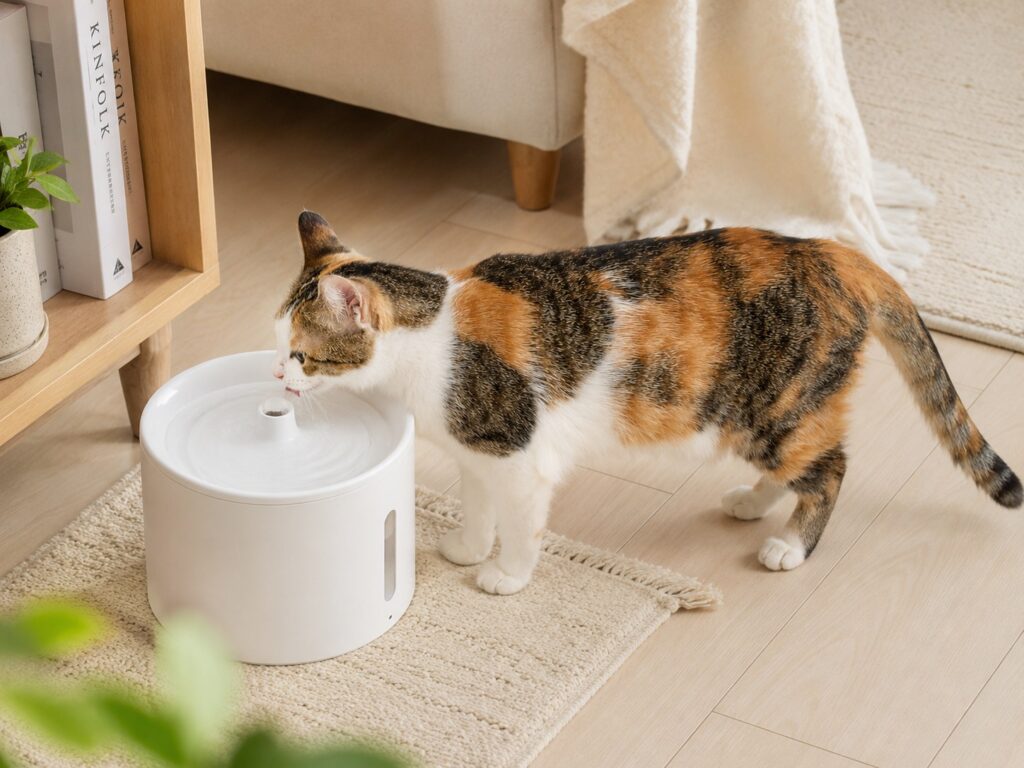
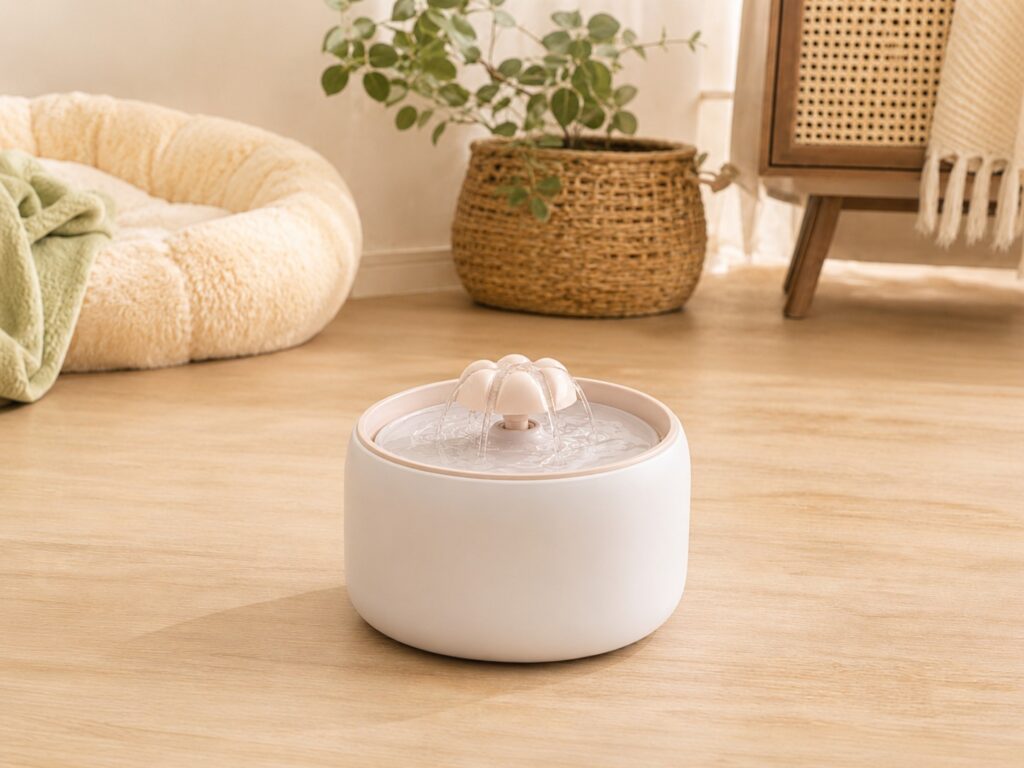
Water bowls should be easy to wash and stable. Some cats prefer a separate water bowl placed away from food. Others may drink more from a water fountain.
If you are setting up a cleaner drinking area, you may also like our guide to Best Cat Water Fountains for Fresh Drinking Water.
Keep Cleaning Simple
A cat bowl should be easy to clean every day. Wet food residue can dry quickly, and even dry food bowls can collect crumbs, oil, and dust.
Look for bowls with:
- Smooth surfaces
- Few corners
- No complicated parts
- Dishwasher-safe materials if you prefer easy cleaning
- Removable non-slip bases if needed
If a bowl has a rubber base, silicone mat, or stand, clean those parts regularly too. Food and moisture can collect around the bottom.
Think About Your Feeding Area
The bowl is only one part of the feeding setup. Placement also matters.
A good feeding area should be quiet, easy to access, and easy to clean. Avoid placing food bowls right next to the litter box. Most cats prefer their eating area and bathroom area to be separate.
A simple feeding area can include:
- One food bowl
- One water bowl or fountain
- A washable feeding mat
- A clean surface
- Enough space for your cat to eat comfortably
If you use an automatic feeder, place it where your cat can access it easily without feeling crowded.
For scheduled meals and portion control, see our guide to Best Automatic Cat Feeders.
Simple Cat Bowl Setup Formula
If you are not sure where to start, use this simple formula:
Wide shallow bowl + non-slip base + washable feeding mat + easy-to-clean surface
This setup works well for many cats and keeps the feeding area simple, clean, and comfortable.
For messy eaters, you can add a tray-style mat or choose a bowl with raised edges. For cats that prefer a neater feeding station, try an elevated ceramic or stainless steel setup.
Common Cat Bowl Mistakes to Avoid
Avoid choosing a bowl only because it looks cute. A bowl should also be practical for your cat’s eating style.
Common mistakes include:
- Choosing a bowl that is too deep
- Using a very lightweight bowl that slides around
- Picking a bowl that is hard to clean
- Using scratched plastic bowls for too long
- Placing food bowls too close to the litter box
- Choosing an elevated bowl that is too tall
- Using one shared bowl for multiple cats
A good cat bowl should make feeding easier, not more complicated.
Related HavenTails Guides
Best Cat Food Bowls for Messy Eaters
Find non-slip, elevated, tilted, stainless steel, ceramic, and tray-style bowls for cleaner mealtimes.
Best Cat Water Fountains for Fresh Drinking Water
Create a cleaner and more attractive drinking area for your cat.
Explore smart feeding options for scheduled meals, portion control, and busy cat parents.
How to Style a Cat Bed in Your Living Room
Build a cozy cat-friendly home setup that blends with your living room decor.
Final Thoughts
The right cat bowl should fit your cat’s eating habits and your daily routine. For many cats, a wide shallow bowl with a stable base is a great starting point. For messier eaters, a non-slip bowl, tilted bowl, elevated bowl, or feeding mat may make cleanup easier.
Pay attention to how your cat eats. If the bowl slides, choose a non-slip base. If food gets stuck at the back, try a tilted or shallow bowl. If your feeding area looks messy, add a washable mat.
A good cat bowl does not need to be complicated. It just needs to be comfortable for your cat, easy for you to clean, and practical for everyday feeding.
FAQs
What type of bowl is best for cats?
A wide, shallow, easy-to-clean bowl is a good choice for many cats. Stainless steel and ceramic are both popular options for everyday feeding.
Are stainless steel bowls good for cats?
Yes, stainless steel bowls are durable, easy to clean, and practical for daily meals. A non-slip base can make them even better for messy eaters.
Are ceramic bowls good for cats?
Ceramic bowls can be stable and stylish, but they should be smooth and free from cracks or chips. Replace ceramic bowls if the surface becomes damaged.
Are elevated bowls better for cats?
Some cats may like elevated bowls, especially if the height feels comfortable. However, not every cat needs one, and the bowl should not be too tall.
Are tilted bowls good for cats?
Tilted bowls can help some cats reach food more easily, especially wet food. Some cats still prefer a flat shallow bowl, so watch your cat’s response.
How often should I wash my cat’s food bowl?
Wash food bowls regularly, especially after wet food meals. Keeping the bowl clean helps keep the feeding area fresher and more comfortable.