Why Is My Cat Not Drinking Enough Water?
Affiliate Disclosure: As an Amazon Associate, we earn from qualifying purchases. This post contains affiliate links, which means we may earn a small commission if you buy through our links, at no extra cost to you.
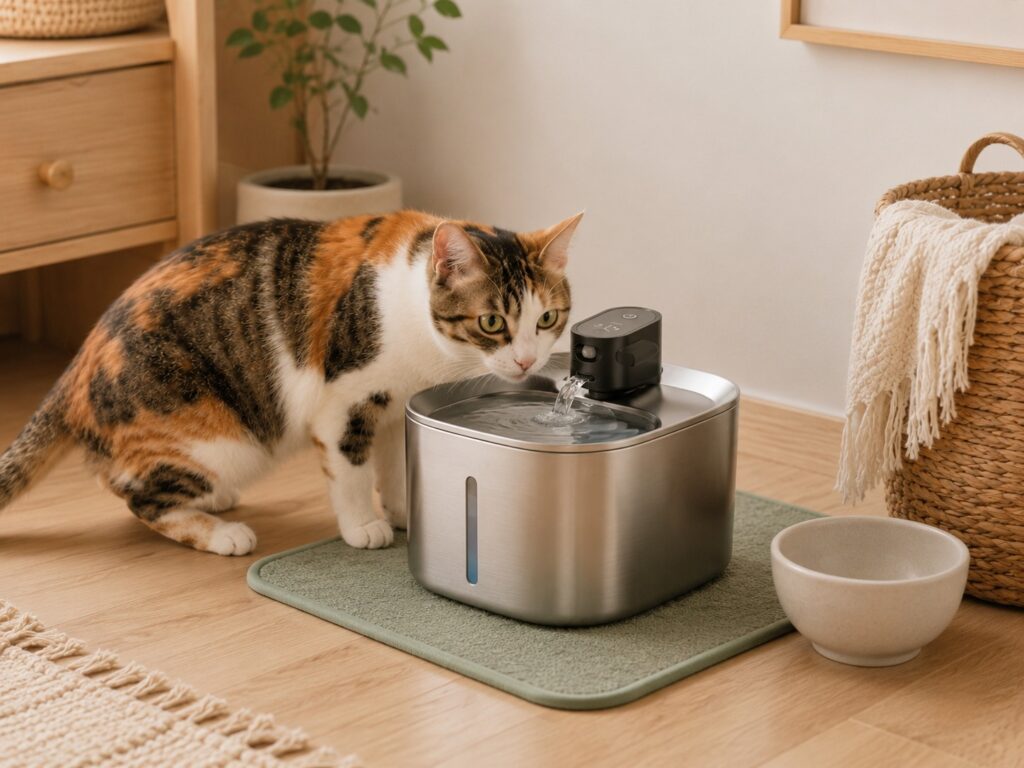
If your cat does not seem to drink much water, you are not alone. Many cat parents worry when the water bowl looks almost untouched at the end of the day.
Cats can be quiet and subtle about their habits, so it is not always easy to know whether your cat is drinking enough. Some cats drink less because they eat wet food. Some dislike the bowl, location, smell, or water freshness. Others may drink less because they are stressed, uncomfortable, or not feeling well.
Hydration matters because water supports digestion, temperature regulation, joint lubrication, nutrient movement, and normal body function. Cornell Feline Health Center notes that cats need water from both drinking and food, and decreased intake or increased fluid loss can contribute to dehydration.
This guide explains common reasons cats may not drink enough water, what signs to watch for, and simple ways to encourage better hydration at home.
How Much Water Does a Cat Need?
A cat’s water needs depend on body size, diet, activity level, room temperature, and overall health.
As a general guide, Cornell says cats need about 4 ounces of water per 5 pounds of lean body weight per day. A 10-pound cat may need around one cup of water daily from both food and drinking water. Cats that eat wet food may drink less from a bowl because wet food can contain much more moisture, while cats that eat dry food usually need to drink more.
So if your cat eats mostly wet food and the water bowl looks less used, that does not always mean something is wrong. But if your cat eats mostly dry food and rarely drinks, it is worth paying closer attention.
Why Cats May Not Drink Enough Water
1. Your Cat Eats Wet Food
Wet food contains more moisture than dry kibble, so cats on a wet food diet may naturally drink less from a bowl. VCA also notes that cats eating canned food may drink less water than cats eating kibble.
This can be normal as long as your cat is eating well, urinating normally, and acting like themselves.
2. The Water Bowl Is Too Small or Too Deep
Some cats dislike bowls that touch their whiskers. If the bowl is narrow or deep, your cat may avoid drinking because it feels uncomfortable.
A wide, shallow bowl can make drinking easier and more comfortable. This is especially helpful for cats that seem interested in water but only take a few sips.
For more bowl setup tips, see our guide to How to Choose the Right Cat Bowl.
3. The Water Is Not Fresh Enough
Cats can be picky about water freshness. Dust, food crumbs, saliva, or odor in the bowl may make water less appealing.
Try washing the bowl daily and refilling it with fresh water. VCA recommends washing water dishes regularly because some cats are selective about bowl cleanliness. If your cat seems more interested in moving water than a regular bowl, compare our best cat water fountains for stainless steel, ceramic, quiet, and easy-to-clean options.
4. The Bowl Is in the Wrong Location
Cats may avoid drinking if the bowl is placed in a noisy, busy, or uncomfortable area.
Common problem spots include:
- Beside loud appliances
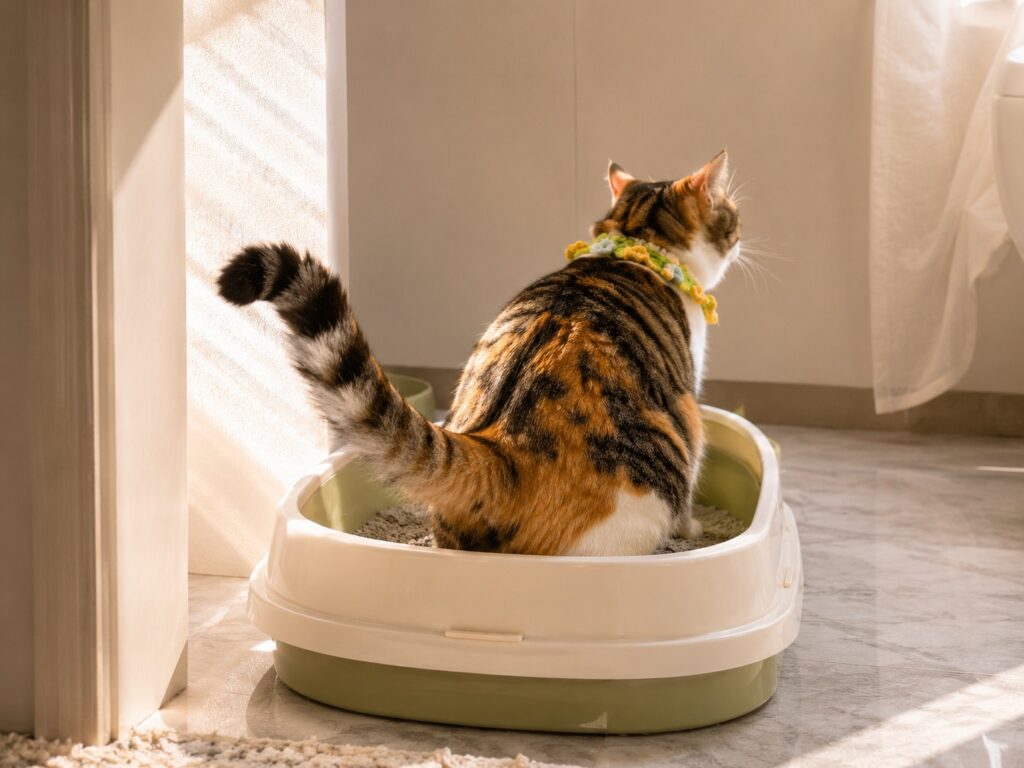
- Too close to the litter box
- In a narrow hallway
- Near a dominant pet
- In a place your cat rarely visits
A quiet, easy-to-access location can make drinking feel safer.
5. There Are Not Enough Water Stations
Some cats simply forget to drink if there is only one water bowl in the home. VCA suggests offering multiple water dishes, ideally with at least one on each level of the home.
This is especially useful for multi-room homes, senior cats, shy cats, or cats that spend time in different parts of the house.
6. Your Cat Prefers Moving Water
Some cats are more interested in running water than still water. They may drink from faucets, watch the sink, or ignore a still bowl completely.
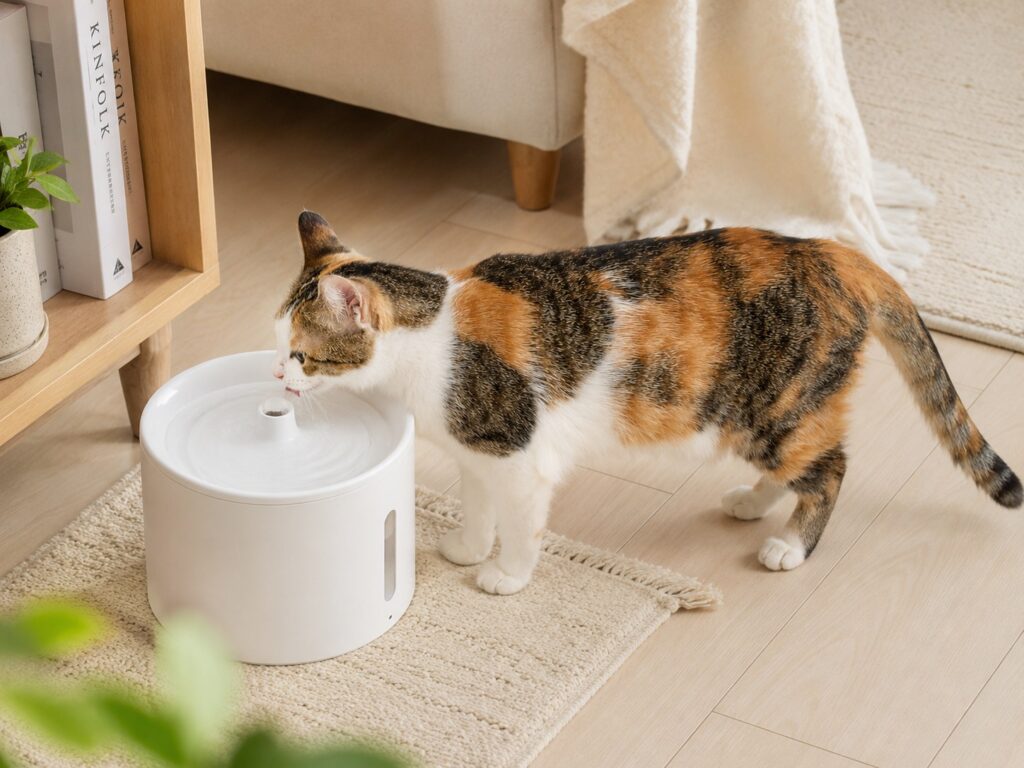
A cat water fountain may help because the movement can make water more interesting. Cornell notes that some cats may increase water intake when provided with a water fountain, although preferences vary from cat to cat.
For product ideas, see our guide to Best Cat Water Fountains for Fresh Drinking Water.
7. The Bowl Material Has Odor
Plastic bowls can hold odors and scratches more easily than some other materials. If your cat avoids the bowl, try switching to stainless steel, ceramic, or glass.
A clean, stable, non-slip bowl can make the water station feel more inviting.
8. Stress or Household Changes
Cats may drink less when their environment changes. Moving homes, new furniture, guests, loud noises, new pets, or changes in routine can affect eating and drinking habits.
If the change is temporary and your cat is otherwise normal, small adjustments may help. But if your cat is also hiding, not eating, vomiting, or acting weak, contact your veterinarian.
9. Dental Pain or Illness
A cat that suddenly drinks much less may be uncomfortable or unwell. Cornell lists dental problems, weakness, lethargy, decreased appetite, and lack of access to water as possible reasons for decreased intake.
Any sudden change in thirst, appetite, energy, litter box habits, or behavior should be taken seriously. VCA notes that cats may hide signs of illness, and any change in appetite or thirst can be a concern.
Signs Your Cat May Be Dehydrated
Possible signs of dehydration include:
- Lethargy
- Weakness
- Poor appetite
- Dry or tacky gums
- Sunken eyes
- Decreased skin elasticity
- Not urinating normally
Cornell lists lethargy, weakness, poor appetite, dry mucous membranes, and sunken eyes as possible dehydration signs. It also explains that skin that takes longer to return after being gently lifted may suggest decreased skin elasticity.
VCA also notes that skin that stays “tented up” instead of snapping back can indicate dehydration and needs treatment.
If you think your cat may be dehydrated, contact a veterinarian promptly. Dehydration can become serious, and the underlying cause matters.
How to Encourage Your Cat to Drink More Water
1. Refresh Water Daily
Empty, rinse, and refill your cat’s water bowl every day. If your cat is picky, wash the bowl more often.
Fresh water is one of the simplest ways to make drinking more appealing.
2. Use a Wide, Shallow Bowl
A wide, shallow bowl may help prevent whisker discomfort. This is a good first step if your cat approaches the bowl but does not drink much.
Choose a stable bowl that does not slide around.
3. Add More Water Stations
Place water in several calm areas around your home. This is especially helpful for senior cats, shy cats, multi-cat homes, and larger homes.
Try placing bowls near:
- A favorite resting area
- A quiet hallway corner
- A window area
- A feeding space
- A bedroom or office where your cat spends time
4. Try a Cat Water Fountain
If your cat likes faucets or moving water, a fountain may encourage more drinking. Choose one that is quiet, easy to clean, and fits your home.
Water fountains still need regular cleaning and filter changes.
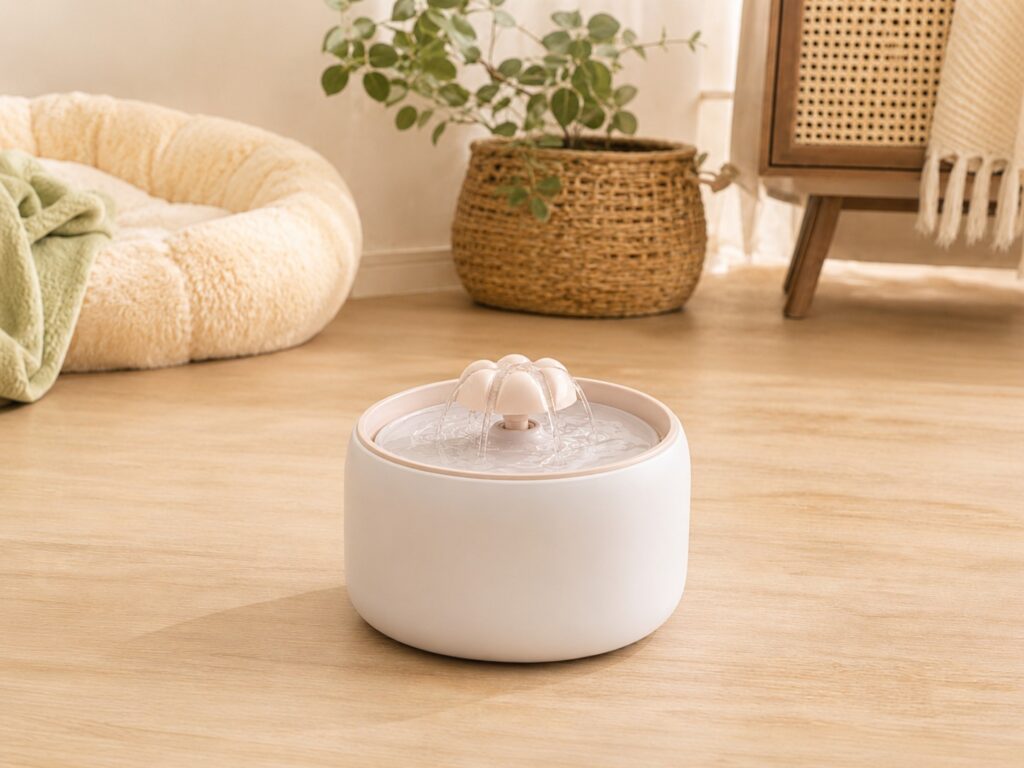
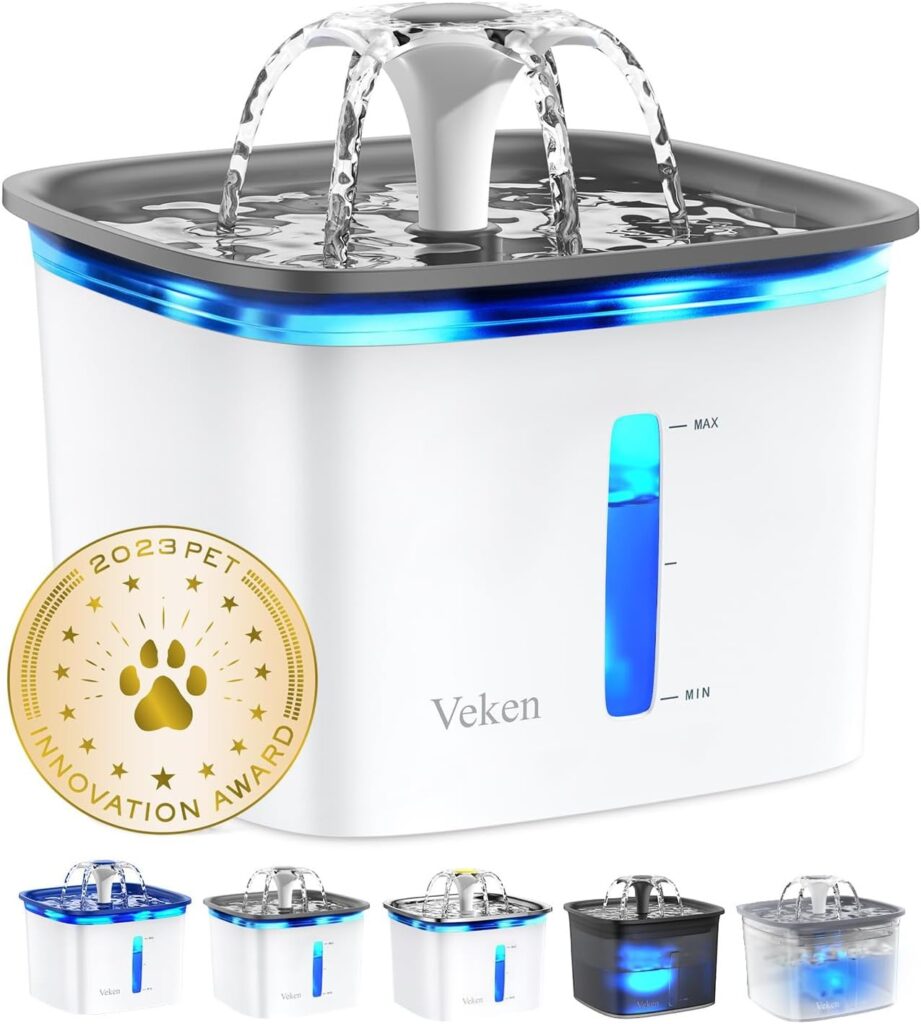
Example pick:Veken 95oz Pet Fountain
Why We Like It:
The Veken 95oz Pet Fountain is a strong overall pick because it offers the features most cat parents look for in a first or everyday fountain. The 2.8L capacity is large enough for many indoor cats without feeling oversized, and the water-level window makes it easier to check when a refill is needed.
We also like that it includes two flow modes: a flower waterfall style and a gentler fountain flow. This gives cats different ways to interact with the water, which can be helpful if your cat is picky about drinking. The 5-stage filtration system is another practical feature, helping circulate and filter the water during daily use.
For a Best Overall pick, this fountain works well because it balances convenience, price, and functionality. It may not have the premium look of ceramic or stainless steel models, but it is simple, approachable, and widely used by many cat parents.
5. Add Wet Food
Wet food is one of the easiest ways to increase moisture intake. Cornell notes that wet food can contain up to 80% water, so cats eating wet food may drink less from the bowl.
If your cat currently eats only dry food, you can ask your vet whether adding wet food is appropriate.
6. Add a Little Water to Food
Some cats accept extra water mixed into wet food. Others may dislike watered-down food, especially if they are picky.
Start with a small amount and see whether your cat accepts it.
7. Keep Water Away from the Litter Box
Most cats prefer their food, water, and litter areas to feel separate. Avoid placing the water bowl beside the litter box.
A cleaner, calmer water station can make drinking more comfortable.
8. Try Different Bowl Materials
Some cats prefer ceramic, stainless steel, or glass. If your cat avoids plastic bowls, try switching materials.
Also make sure the bowl is cleaned well so it does not hold old food smells.
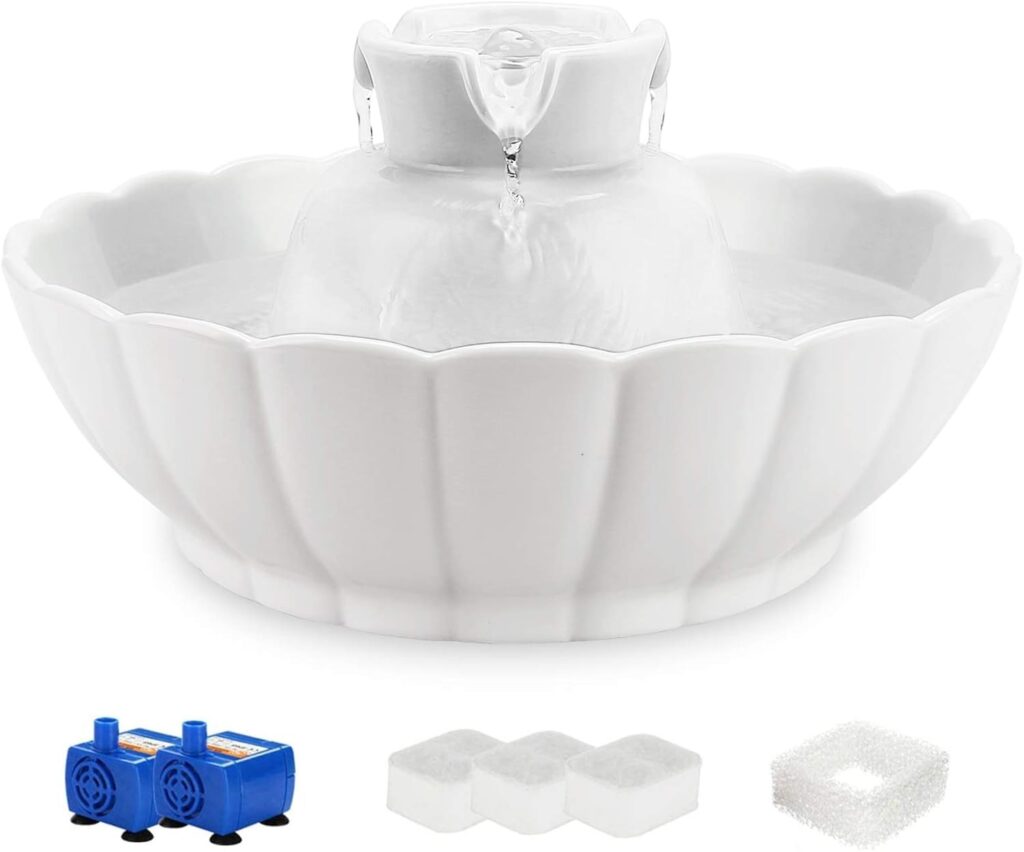
Example pick:iPettie Tritone Ceramic Cat Water Fountain
Why We Like It:
The iPettie Tritone Ceramic Cat Water Fountain is a lovely choice for homes where design matters. Its white ceramic body has a softer, cleaner look than many plastic fountains, so it can blend more naturally into a cozy kitchen, living room corner, or styled feeding station.
We also like that it balances appearance with practical function. The ceramic material feels sturdy and elevated, while the dual filtration system helps filter hair, debris, odors, and unwanted tastes from the water. The pump is designed for quiet operation, which makes it more suitable for calm indoor spaces.
For a lifestyle-focused pet home, this fountain works well because it does not look overly technical or bulky. It feels simple, clean, and easy to style with neutral home decor.
9. Keep Multi-Cat Access in Mind
In a multi-cat home, one cat may block another cat from using a water bowl. Cornell notes that territorial conflicts can affect access to water in multi-pet households.
Place several water stations in different areas so each cat has options.
When to Call a Vet
Contact your veterinarian if your cat:
- Suddenly stops drinking
- Stops eating
- Seems weak or lethargic
- Has dry or tacky gums
- Has vomiting or diarrhea
- Is urinating much less or much more than usual
- Strains in the litter box
- Shows sudden behavior changes
- Seems painful or uncomfortable
VCA warns that lack of urination can be a life-threatening emergency and that cats with urinary concerns should be seen promptly.
This article is for general education and does not replace veterinary care. If your cat seems “off,” it is safer to call your vet.
Simple Hydration Setup Formula
If you want an easy starting point, try this:
Fresh water + wide shallow bowl + quiet location + extra water station + wet food or fountain option
You do not need to change everything at once. Start with fresh water, a better bowl, and a calm location. Then add a fountain or wet food if needed.
Related HavenTails Guides
Best Cat Water Fountains for Fresh Drinking Water
Find water fountain picks for cats that prefer moving water.
How to Choose the Right Cat Bowl
Learn how bowl shape, size, material, and placement affect your cat’s daily routine.
Best Cat Food Bowls for Messy Eaters
Create a cleaner and more comfortable feeding area.
Pinterest-Inspired Cat Spaces for Cozy Homes
Build a warm, cat-friendly home setup with cozy resting, feeding, and hydration areas.
Final Thoughts
If your cat is not drinking enough water, start by looking at their food, bowl, water freshness, and water station location. Some cats simply prefer wet food, wide bowls, or moving water.
Small changes can make a big difference: refresh the water daily, try a wider bowl, add more water stations, and consider a fountain if your cat likes running water.
But if your cat suddenly drinks much less, seems weak, stops eating, vomits, has diarrhea, or changes litter box habits, contact your veterinarian. Hydration problems can be linked to illness, and cats often hide early signs that something is wrong.
FAQs
Why does my cat barely drink water?
Your cat may eat wet food, dislike the bowl, prefer moving water, avoid the bowl location, or feel stressed. Sudden changes in drinking can also be linked to illness.
Is it normal for cats to drink very little?
Some cats drink less if they eat wet food. But cats eating mostly dry food usually need to drink more. Watch your cat’s energy, appetite, and litter box habits.
How can I get my cat to drink more water?
Try fresh water daily, a wide shallow bowl, multiple water stations, a water fountain, wet food, or adding a small amount of water to food.
Do cats prefer water fountains?
Some cats prefer moving water and may drink more from a fountain, but not every cat likes them. Choose a fountain that is quiet and easy to clean.
Should I put water next to cat food?
Some cats are fine with water near food, while others prefer it slightly separate. You can test different locations to see what your cat uses most.
When should I worry about my cat not drinking?
Worry if your cat suddenly drinks much less, stops eating, seems lethargic, has dry gums, vomits, has diarrhea, or changes urination habits. Call your veterinarian.