Affiliate Disclosure: As an Amazon Associate, we earn from qualifying purchases. This post contains affiliate links, which means we may earn a small commission if you buy through our links, at no extra cost to you.
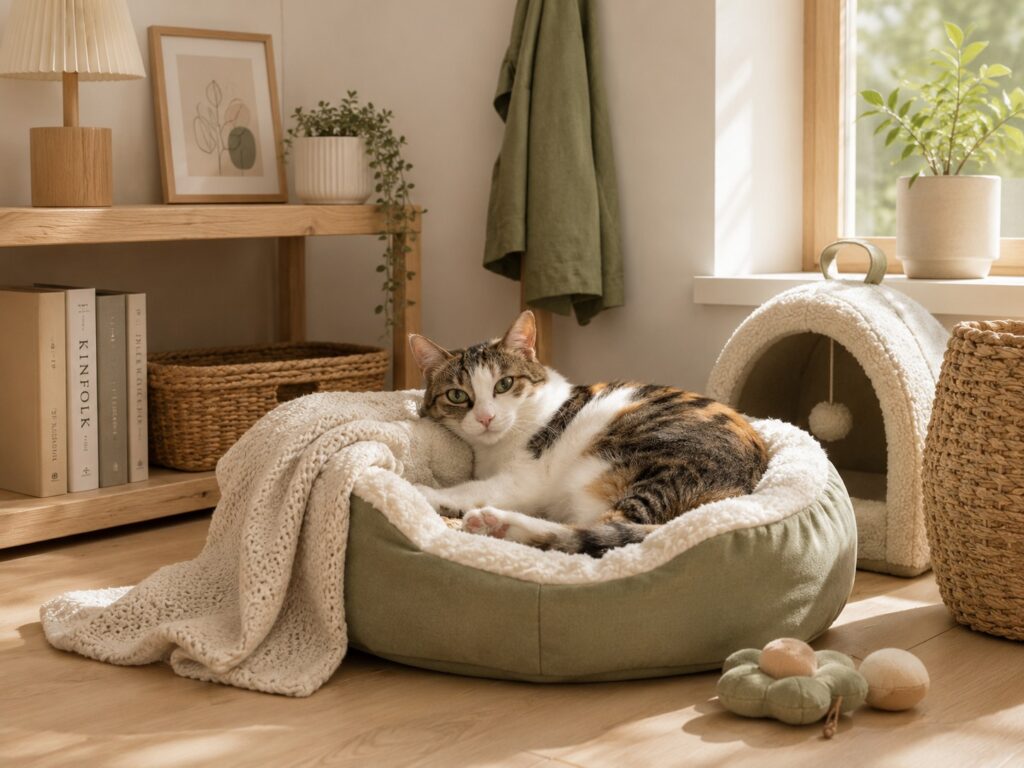
An anxious cat may not always look “scared” in an obvious way. Some cats hide under the bed. Some become extra clingy. Some avoid food, stop playing, overgroom, vocalize more, or seem tense around normal household sounds.
Cats are quiet about stress, so small changes can matter. A new home, visitors, loud noises, a new pet, a changed routine, or even a moved litter box can make some cats feel unsafe.
The goal is not to force your cat to be brave. The goal is to create a calm home setup where your cat has choice, safety, routine, and gentle support.
In this guide, we’ll look at common signs of cat anxiety, what may trigger it, and simple ways to help your cat feel safer at home.
Common Signs Your Cat May Be Anxious
Every cat shows stress differently. Some cats become quiet and hidden, while others become restless or reactive.
Common signs may include:
- Hiding more than usual
- Eating less
- Avoiding family areas
- Overgrooming. If nail trimming is one of your cat’s stress triggers, choosing smaller, quieter cat nail trimming tools and keeping sessions short may make the routine easier to introduce gradually.
- Scratching more
- Vocalizing more
- Pacing or restlessness
- Flattened ears or tense body posture
- Hissing, swatting, or growling
- Avoiding the litter box
- Clinginess or sudden behavior changes
Cornell Shelter Medicine notes that stressed cats may show decreased appetite, hiding or avoidance behavior, escape attempts, or aggression such as flattened ears, growling, hissing, swatting, or lunging.
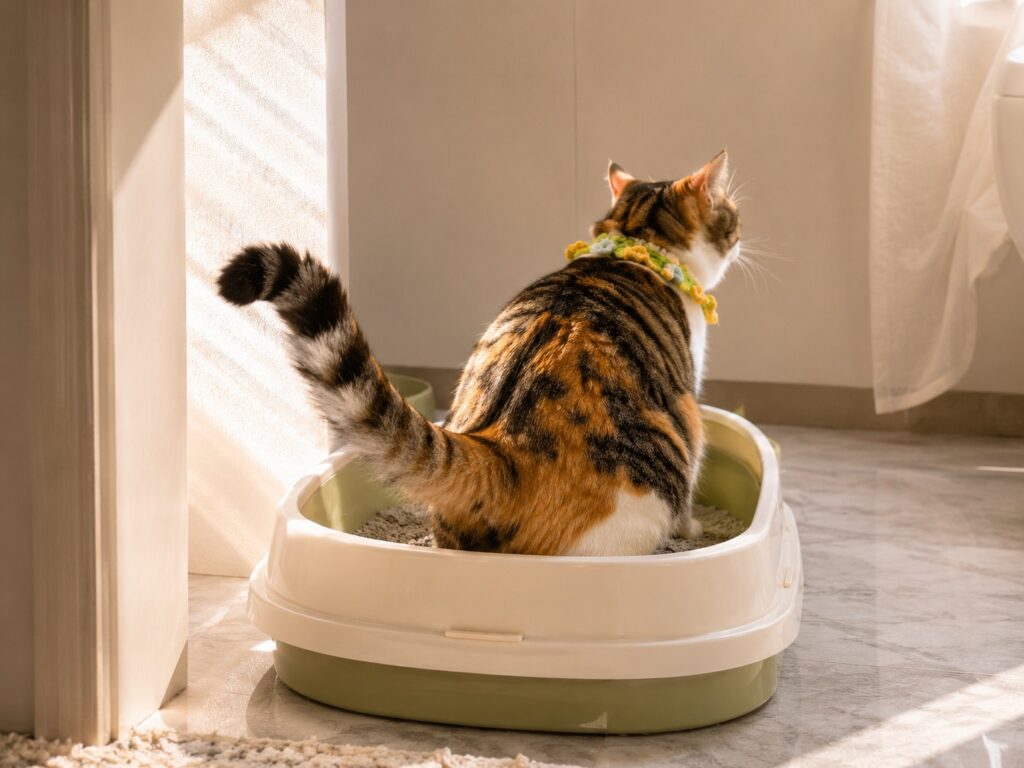
Anxiety can also look like a litter box problem. Cornell Feline Health Center explains that litter box trouble can be linked to medical issues, litter box aversion, or a preference for another location, so sudden elimination changes should be taken seriously.
First, Rule Out Pain or Illness
If your cat’s anxious behavior appears suddenly, do not assume it is only stress.
A cat that is hiding, not eating, avoiding the litter box, acting aggressive, or behaving very differently may be in pain or unwell. Cats can hide signs of illness, so behavior changes are often one of the first clues.
Call your veterinarian if your cat:
- Stops eating
- Hides constantly
- Seems weak or lethargic
- Cries in the litter box
- Urinates outside the box
- Has vomiting or diarrhea
- Suddenly becomes aggressive
- Overgrooms one area
- Has a sudden major personality change
At-home calming steps are helpful, but they should not replace veterinary care when something feels wrong. If stress-related overgrooming is leading to more swallowed fur, you may also want to review our guide to hairballs in indoor cats and the different ways to support prevention.
What Can Make a Cat Anxious?
Cats often feel safer when life is predictable. Sudden changes can make them feel uncertain.
Common triggers include:
- Moving to a new home
- New furniture
- New smells
- Loud guests
- Construction noise
- Fireworks or storms
- A new baby
- A new pet
- Conflict with another cat
- Litter box changes
- Food or feeding schedule changes
- Loss of a familiar person or pet
- Lack of hiding places
- Too much handling
- Boredom or lack of enrichment
The home environment itself can affect stress. International Cat Care notes that indoor confinement, boredom, restricted access to hiding places, and a lack of control over important resources can contribute to stress in cats.
How to calm an anxious cat ?
1. Give Your Cat a Safe Hiding Spot
One of the most important ways to calm an anxious cat is to give them a place to hide.
A hiding spot is not a bad habit. It is a coping tool. If your cat has a safe retreat, they may feel more secure and recover from stress faster.
Good hiding spots include:
- A covered cat bed
- A cardboard box
- A quiet closet corner
- A cat tunnel
- A covered carrier with a blanket
- A space under a side table
- A perch with a draped blanket
- A cozy shelf away from foot traffic
The ASPCA notes that cats with hiding places can show less stress, and simple options like boxes, paper bags, or elevated shelves with a towel can work as retreat spaces.
Do not pull your cat out of their hiding spot unless there is a safety or medical reason. Let the hiding place feel safe.
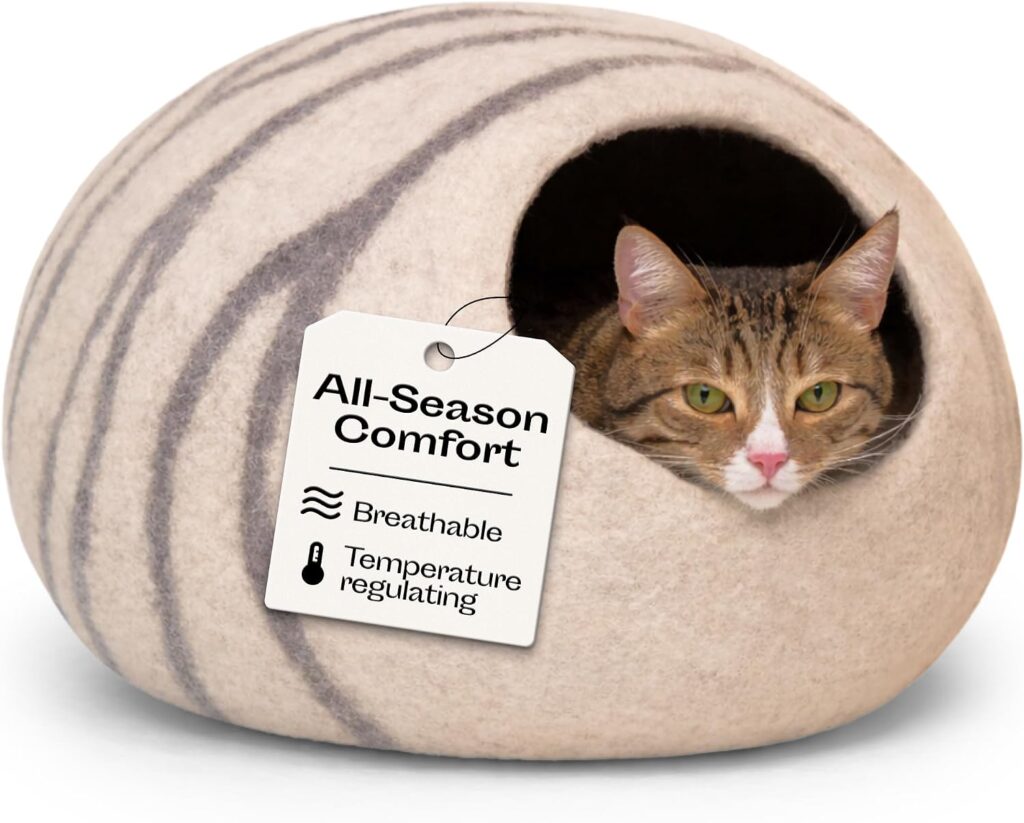
Example pick:MEOWFIA Premium Felt Cat Cave Bed
Why it helps:
A covered cat bed gives anxious cats a soft, protected place to hide, rest, and observe the room without feeling too exposed.
For cats that often hide under furniture, a cave-style bed can create a safer retreat that still looks clean and cozy in the home. Place it in a quiet corner and let your cat use it on their own terms.
2. Create a Quiet Calm Room
If your cat is very anxious, start with one calm room instead of the whole house.
A quiet room is especially helpful for:
- Newly adopted cats
- Cats after moving homes
- Cats recovering from a stressful event
- Cats overwhelmed by guests
- Cats adjusting to another pet
Set up the room with:
- Food
- Water
- Litter box
- Soft bed
- Hiding spot
- Scratching surface
- A few toys
- Familiar blanket or towel
Keep the room quiet and predictable. Visit calmly, speak softly, and let your cat decide when to approach.
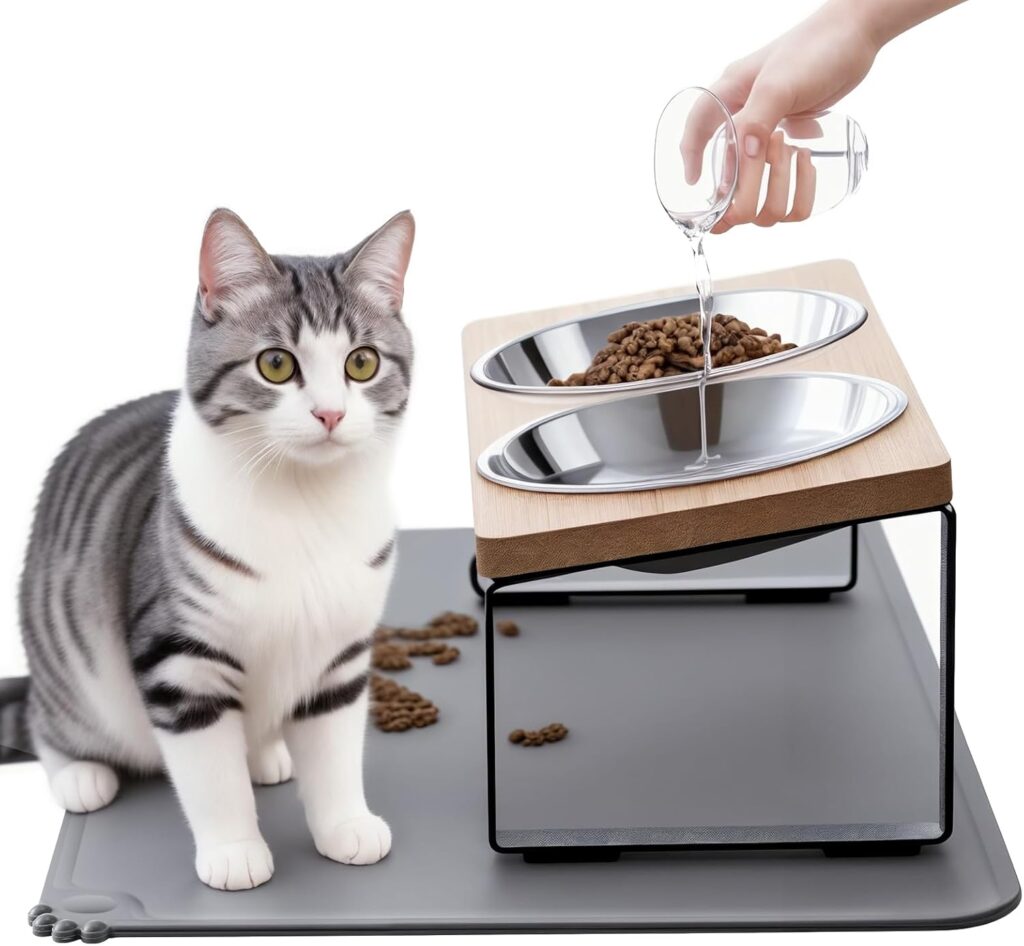
Example pick:Summark Upgraded Elevated Cat Bowls with Food Mat
Why it helps:
A simple cat bowl set is useful when you are setting up a calm room or temporary feeding area for an anxious cat.
You do not need to buy a premium bowl right away. Start with a basic, stable, easy-to-clean bowl set and observe whether your cat is comfortable eating and drinking in that spot. After your cat settles in, you can adjust the bowl style or placement based on their habits.
3. Keep Daily Routines Predictable
Cats often feel calmer when they can predict what happens next.
Try to keep a consistent routine for:
- Feeding
- Cleaning the litter box
- Playtime
- Quiet time
- Bedtime
- Workday departures and returns
You do not need a perfect schedule. The goal is to make your home feel steady.
If you need to change something, change it gradually when possible. Sudden changes can make anxious cats more uneasy.
4. Give Your Cat Choice and Control
An anxious cat feels worse when they feel trapped.
Give your cat choices:
- Let them approach you first
- Let them leave when they want
- Offer both high and low resting spots
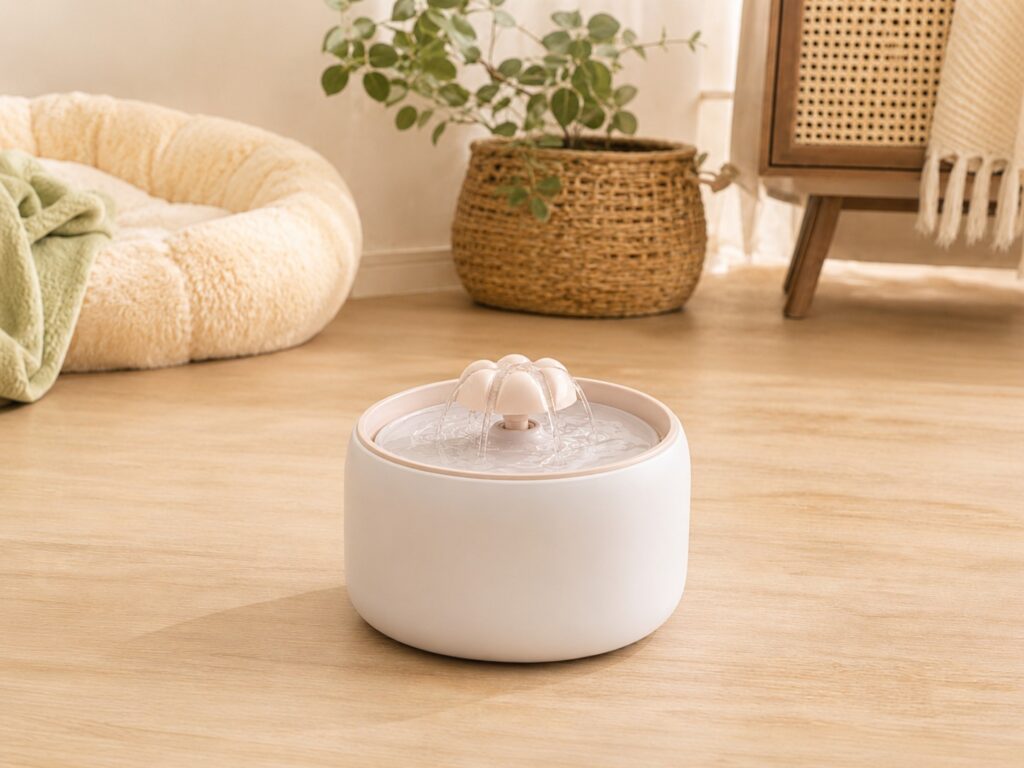
- Provide more than one water station
- Give them multiple quiet areas
- Avoid blocking exits
- Avoid cornering them for attention
A cat that has options may feel less defensive. Choice helps your cat feel more in control of their space.
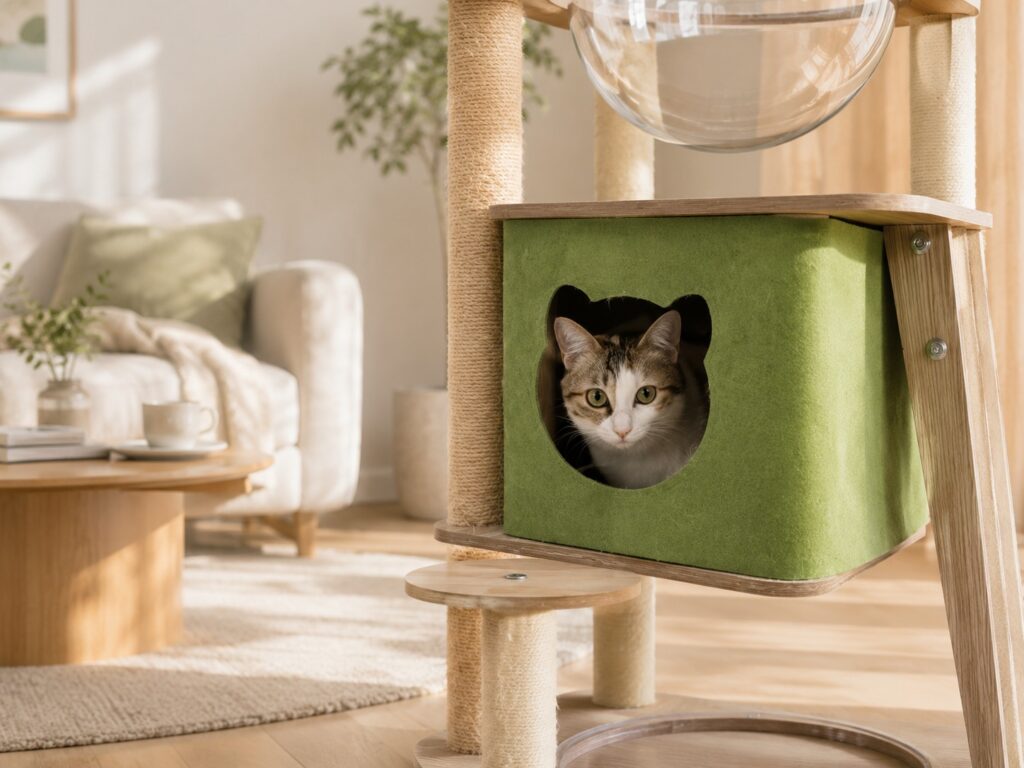
5. Add Vertical Space
Many cats feel safer when they can observe from above.
Vertical space can include:
- Cat trees
- Window perches
- Wall shelves
- Tall furniture with safe access
- A sturdy bookshelf area
- A perch beside a window
Vertical space is especially useful in multi-cat homes because it gives cats more ways to avoid conflict.
For small apartments, even one stable cat tree or window perch can make a big difference.
6. Separate Important Resources
Some anxious cats feel stressed because important resources are too close together, too crowded, or blocked by another pet.
Key resources include:
- Food
- Water
- Litter box
- Scratching areas
- Resting spots
- Hiding spots
- Play areas
The AAFP and ISFM environmental needs guidelines describe key feline resources as feeding, drinking, toileting, scratching, play, and resting or sleeping areas.
In a multi-cat home, spread these resources out. Do not force cats to share one crowded area.
A simple rule: your cat should not have to pass another pet or walk through a stressful space to eat, drink, rest, or use the litter box.
7. Use Gentle Play to Release Stress
Play can help anxious cats release energy and rebuild confidence.
Short, calm play sessions are better than overwhelming your cat with too much excitement.
Good options include:
- Wand toys
- Feather teasers
- Soft toy mice
- Slow chase games
- Puzzle feeders
- Treat hiding games
For more options, our cat enrichment toys guide includes several toy styles for chasing, hiding, problem-solving, and calmer indoor play.
Try to mimic natural hunting:
- Watch
- Stalk
- Chase
- Catch
- Eat or treat
- Rest
Keep sessions short at first. If your cat is nervous, even two or three minutes of gentle play is a good start.
8. Avoid Punishment
Punishment can make anxiety worse.
Avoid:
- Yelling
- Chasing
- Spraying water
- Hitting
- Forcing interaction
- Dragging your cat out of hiding
- Pushing your cat toward guests
- Punishing litter box accidents
Cornell notes that punishment such as hitting, kicking, screaming, or frightening a cat can be ineffective and may worsen anxiety-related litter box problems.
Instead, focus on changing the environment, reducing triggers, and rewarding calm behavior.
9. Use Calm Human Interaction
For anxious cats, less can be more.
Try this:
- Sit nearby without staring
- Speak softly
- Blink slowly
- Let your cat approach first
- Offer treats near you, not from your hand at first
- Pet only if your cat asks for it
- Stop before your cat gets overstimulated
Do not force cuddling. A cat that feels respected is more likely to trust you over time.
10. Try a Pheromone Diffuser
Some cats may benefit from feline pheromone products.
Pheromone diffusers and sprays are designed to mimic natural chemical signals cats use for communication. VCA explains that pheromones are used as behavior modifiers for situations such as urine marking, inter-cat aggression, stressful events, phobias, and separation anxiety.
A diffuser may be useful during:
- Moving
- New pet introductions
- Guest visits
- Fireworks season
- Multi-cat tension
- Carrier training
- Vet visit preparation
Pheromones are not magic, and they do not replace proper setup, enrichment, or veterinary care. But they can be part of a calming plan.
11. Reduce Noise and Visual Stress
Some cats are sensitive to noise, movement, and sudden activity.
To create a calmer space:
- Keep the TV volume lower
- Close curtains during stressful outdoor activity
- Use white noise during fireworks or construction
- Give your cat a quiet room during parties
- Avoid sudden loud appliances near resting spots
- Keep children and guests from chasing the cat
- Create escape routes from busy rooms
If outdoor cats trigger your indoor cat, block direct window access temporarily or use curtains, blinds, or window film.
12. Help Multi-Cat Homes Feel Less Tense
Anxiety can come from subtle cat conflict. Not all conflict looks like fighting.
Signs may include:
- One cat blocking doorways
- One cat guarding food or litter boxes
- Staring or stalking
- Chasing
- Hissing near narrow spaces
- One cat hiding more
- One cat avoiding certain rooms
- Litter box problems
In multi-cat homes, add more resources in separate locations. Use more than one litter box area, multiple resting spots, and several food or water stations.
Do not force cats to “work it out.” Give them space and slow introductions when needed.
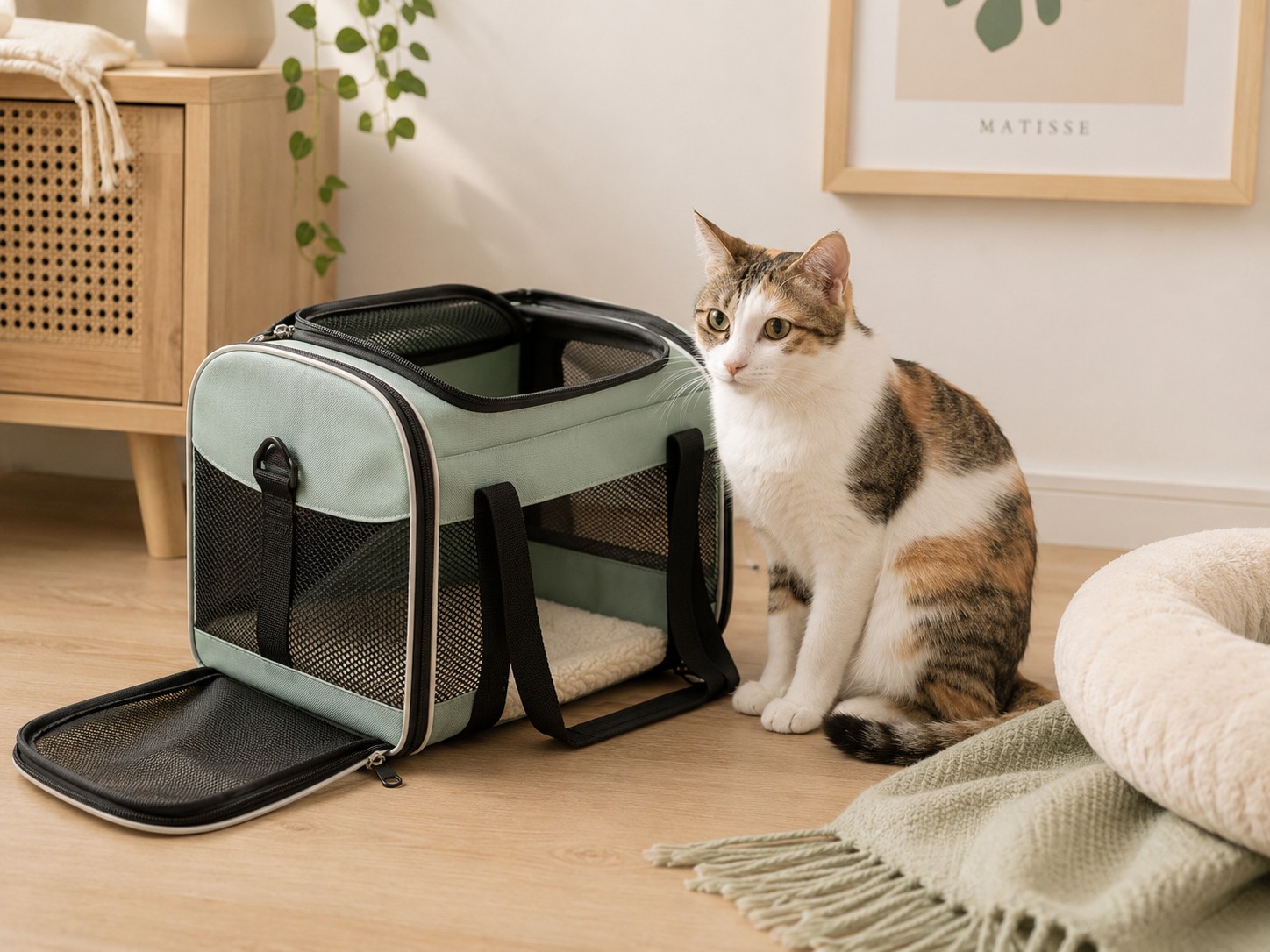
13. Make the Carrier Less Scary
For many cats, the carrier only appears before the vet. That can make it a stress signal.
Instead, leave the carrier out at home:
- Keep the door open
- Add a soft blanket
- Place treats inside
- Let your cat explore it
- Use it as a cozy hiding spot
- Avoid only bringing it out before appointments
If your cat sees the carrier as part of the home, travel days may become easier.
Related guide: How to Choose a Cat Carrier
14. Build a Calming Home Setup
A calm home setup does not need to be expensive.
Start with:
- One safe hiding spot
- One cozy bed
- One stable scratching post
- One vertical perch
- Clean litter box
- Separate food and water
- Gentle daily play
- Predictable routine
For anxious cats, the best setup is not always the prettiest one. It is the one that gives your cat safety, comfort, and control.
Simple Calming Plan
If your cat seems anxious, try this simple plan:
Safe room + hiding spot + routine + gentle play + separate resources + no forced interaction
Start small. You do not need to change your whole home in one day.
Give your cat a calm place first. Then slowly add confidence-building routines. Dental care can also feel stressful for sensitive cats. If you are introducing mouth handling, our guide to brushing your cat’s teeth explains how to start with very short, gentle steps.
Common Mistakes to Avoid
Avoid these common mistakes:
- Pulling your cat out of hiding
- Forcing guests to meet your cat
- Changing food or litter suddenly
- Moving the litter box too often
- Punishing anxious behavior
- Ignoring sudden behavior changes
- Letting pets crowd one another
- Providing only one resting spot
- Forgetting daily play
- Expecting fast results
An anxious cat needs time. Small, steady changes are usually better than big sudden changes.
When to Call a Veterinarian
Contact your vet if your cat:
- Stops eating
- Hides constantly
- Has sudden aggression
- Stops using the litter box
- Urinates or defecates outside the box
- Overgrooms until hair is missing
- Seems painful
- Vocalizes unusually
- Loses weight
- Shows sudden personality changes
- Does not improve with home changes
Anxiety and illness can look similar. A veterinarian can help rule out medical causes and may recommend a behavior plan if needed.
Related HavenTails Guides
How to Help a New Cat Feel Safe at Home
Create a calm first-week setup for a newly adopted cat.
Pinterest-Inspired Cat Spaces for Cozy Homes
Build a cozy, cat-friendly home with soft beds, vertical space, and calm corners.
How to Choose a Cat Carrier
Choose a safer carrier for vet visits and short travel.
Best Cat Toys for Indoor Cats
Find toys that help indoor cats release energy and stay mentally engaged.
Why Does My Cat Scratch the Sofa?
Learn why cats scratch furniture and how to redirect scratching gently.
Final Thoughts
Helping an anxious cat feel calm at home is not about forcing confidence. It is about creating a safer, more predictable environment.
Start with a hiding spot, a quiet room, a steady routine, gentle play, and separate resources. Let your cat approach at their own pace. Avoid punishment and avoid forcing interaction.
With time, patience, and the right setup, many anxious cats can begin to feel more secure in their home.
FAQs
Why is my cat suddenly anxious?
Sudden anxiety may be caused by changes at home, loud noises, new pets, guests, illness, pain, or litter box issues. If the change is sudden or severe, contact your veterinarian.
How do I calm an anxious cat at home?
Give your cat a safe hiding spot, a quiet room, predictable routine, gentle play, separate resources, and calm interaction. Do not force your cat out of hiding.
Should I let my anxious cat hide?
Yes, as long as the hiding spot is safe and your cat is still eating, drinking, and using the litter box. Hiding can help cats feel secure.
Do pheromone diffusers help anxious cats?
Some cats may benefit from pheromone diffusers, especially during stressful changes. They work best as part of a larger calming setup, not as the only solution.
Why is my cat hiding more than usual?
More hiding can be linked to stress, fear, pain, illness, or household changes. Watch for changes in appetite, litter box habits, energy, and behavior.
When should I worry about cat anxiety?
Worry if your cat stops eating, hides constantly, avoids the litter box, becomes aggressive, overgrooms, seems painful, or has sudden major behavior changes.