Affiliate Disclosure: As an Amazon Associate, we earn from qualifying purchases. This post contains affiliate links, which means we may earn a small commission if you buy through our links, at no extra cost to you.
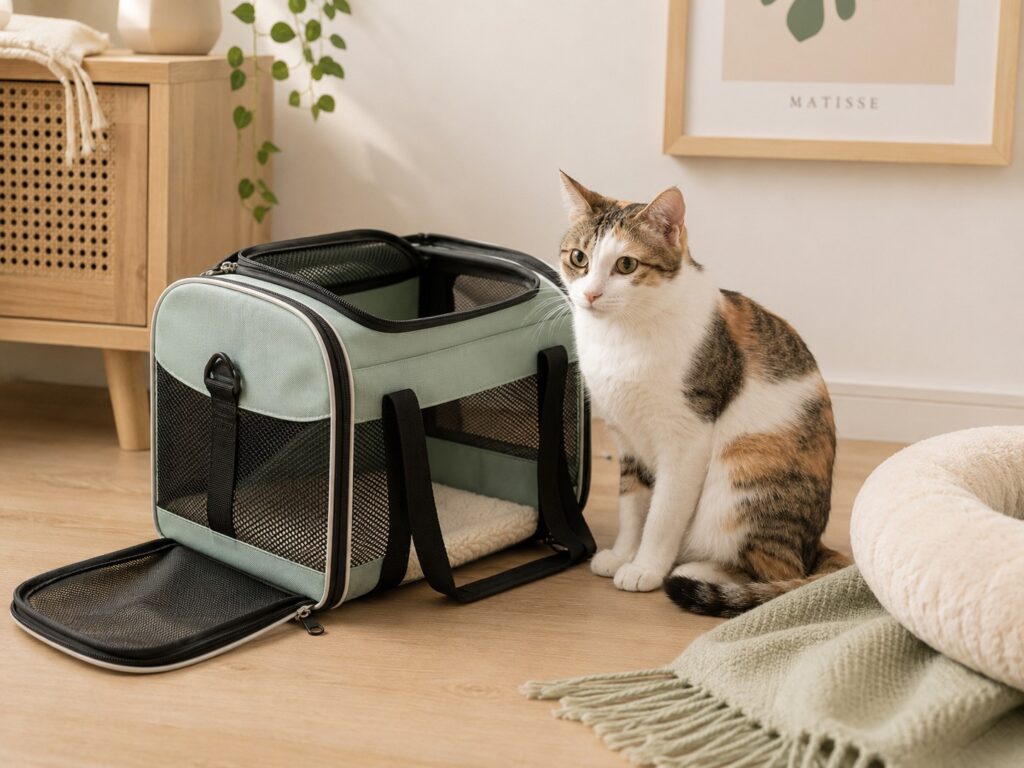
Choosing the right cat carrier can make vet visits, car rides, and short trips much less stressful for both you and your cat.
A good carrier should feel secure, comfortable, easy to clean, and simple to use. It should also make it easier to get your cat in and out without turning every trip into a struggle.
Some cats are nervous around carriers because they only see them right before a vet visit. Others dislike tight openings, slippery floors, poor ventilation, or carriers that feel unstable. The right design can help your cat feel safer and help you handle travel more calmly.
In this guide, we’ll look for how to choose a cat carrier, including size, material, entry style, ventilation, safety, cleaning, and comfort.
Why the Right Cat Carrier Matters
A cat carrier is not just a travel bag. It is your cat’s safe space during transportation.
Whether you are going to the vet, moving homes, taking a short car ride, or preparing for an emergency, your cat needs a carrier that keeps them secure and supported.
A poorly chosen carrier can make travel harder. It may be too small, too flimsy, hard to clean, poorly ventilated, or difficult to open at the vet. A better carrier can help reduce stress and make each step easier.
The best cat carrier should:
- Keep your cat safely contained
- Give your cat enough room to sit, turn, and lie down
- Have good ventilation
- Be easy for you to carry
- Be easy to clean after accidents
- Make vet visits less difficult
- Feel stable and secure during travel
What Size Cat Carrier Do You Need?
The carrier should be large enough for your cat to stand, turn around, and lie down comfortably. But it should not be so oversized that your cat slides around inside during travel.
A carrier that is too small can make your cat feel trapped. A carrier that is too large may feel unstable and less secure.
A good rule is to choose a carrier that gives your cat enough room to change position without creating too much empty space.
Hard-Sided vs Soft-Sided Cat Carriers
One of the first choices is whether to buy a hard-sided carrier or a soft-sided carrier. Both can work well, but they fit different needs.
Hard-Sided Cat Carriers
Hard-sided carriers are usually made from plastic with a metal or plastic door. They are sturdy, structured, and often easier to clean.
They are a good choice for vet visits, nervous cats, cats that may scratch or push against the carrier, and situations where you want a strong, stable design.
Best for:
- Vet visits
- Nervous cats
- Cats that may scratch or push
- Easier cleaning
- Car travel
- Emergency use
Things to consider:
Hard-sided carriers can be bulkier to store and less comfortable to carry than soft-sided bags.
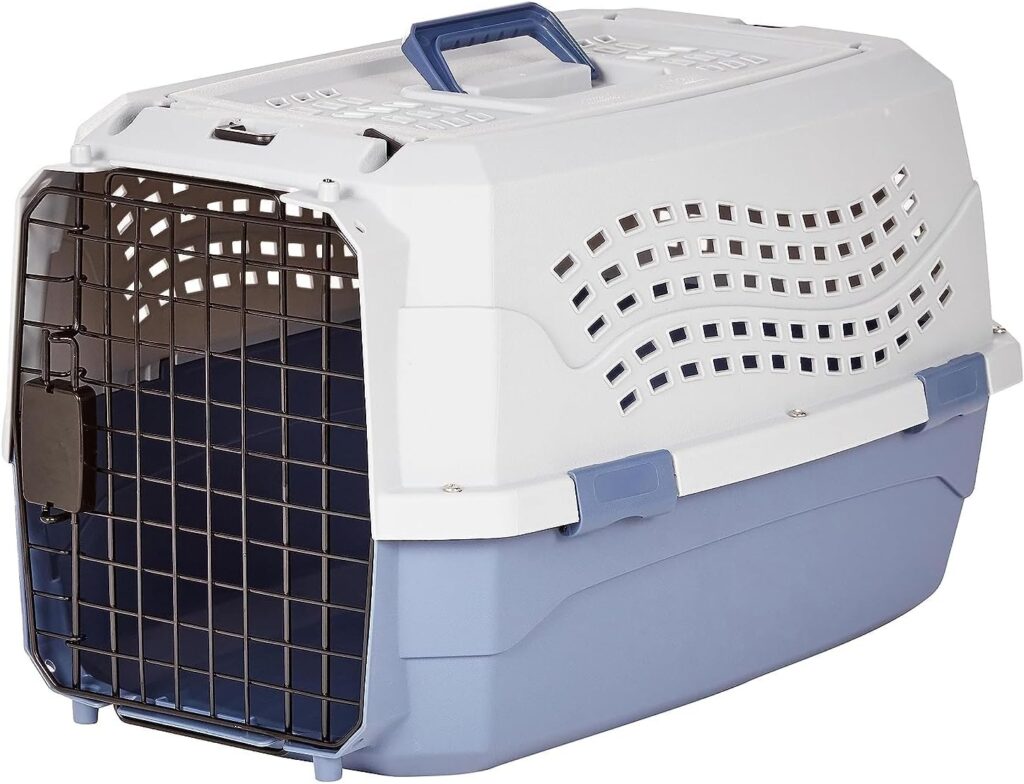
Example pick:Amazon Basics 2-Door Top-Load Hard-Sided Pet Travel Carrier
Why We Like It:
A hard-sided carrier can feel more secure for cats who need a structured space during vet visits. This option is sturdy, spacious, and easy to assemble, making it a practical pick for routine appointments.
We also like that hard carriers are easier to wipe down than soft carriers. If your cat gets carsick, nervous, or has an accident during the trip, the cleanable surface can make the experience less stressful for you afterward.
Soft-Sided Cat Carriers
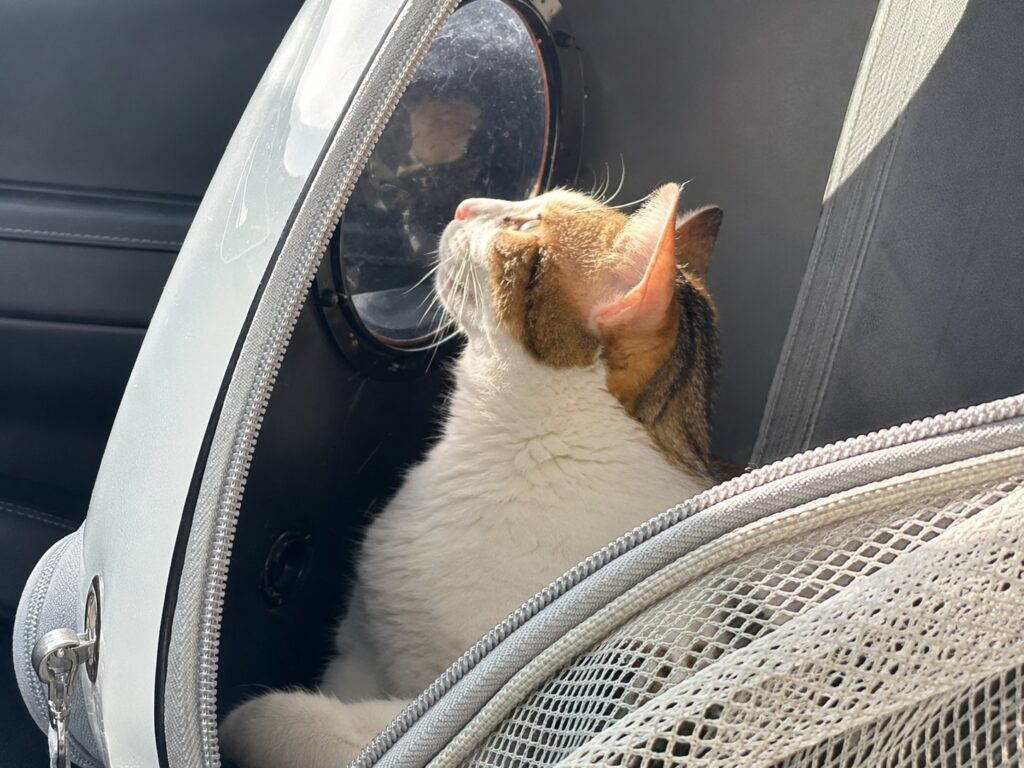
Soft-sided carriers are usually lighter and easier to carry. Many have mesh panels, padded straps, and a more flexible shape.
They can be a good choice for calm cats, short trips, apartment living, and travel where storage space matters.
Best for:
- Calm cats
- Short trips
- Lightweight carrying
- Small apartments
- Easier storage
- Some airline travel, depending on airline rules
Things to consider:
Soft carriers may be harder to clean after accidents and may not feel secure enough for cats that scratch, push, or panic inside the carrier.
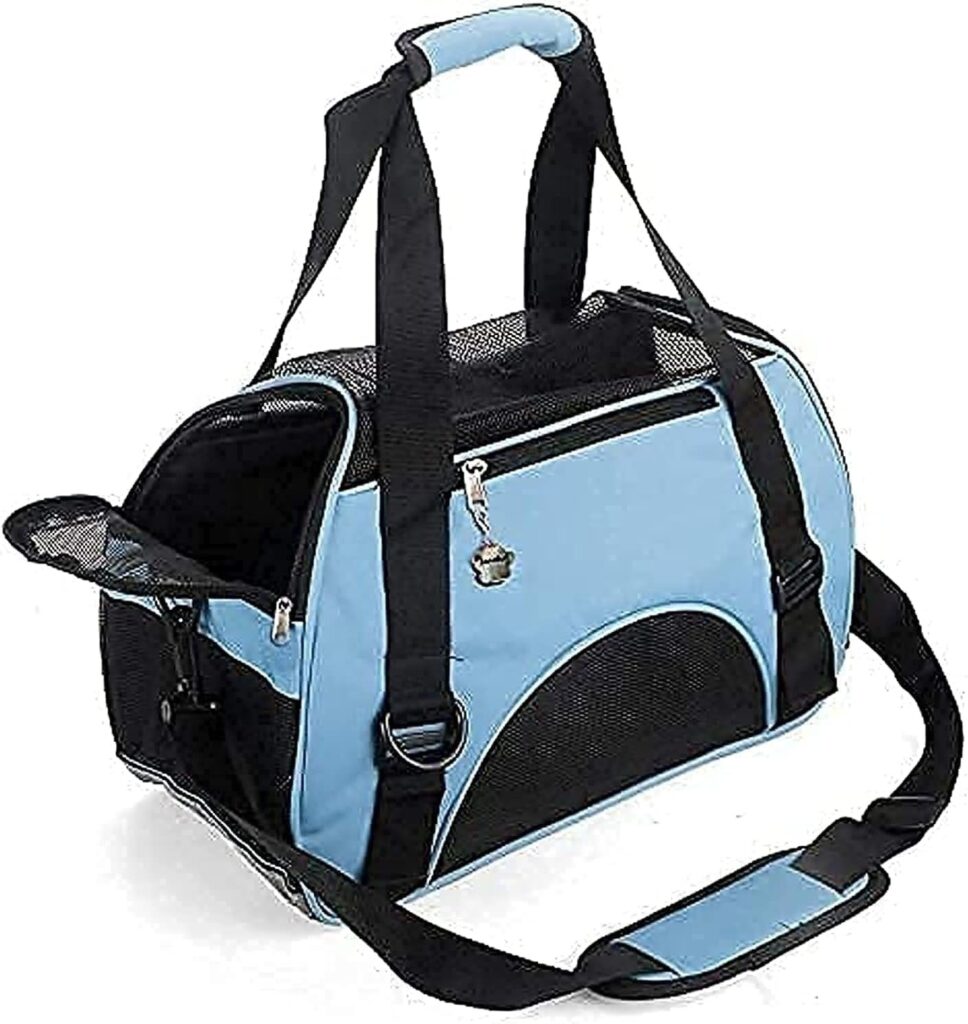
Example pick:ZaneSun Soft-Sided Pet Travel Carrier
Why We Like It:
This soft-sided carrier is a good choice for short vet visits because it is lightweight, comfortable, and easy to carry. The option to use either the hand straps or shoulder strap gives cat parents more flexibility, especially when moving from the car to the clinic.
We also like that it has a more casual look, almost like a gym bag, which makes it feel less bulky than a hard-sided crate. It is a practical option for calm cats and quick trips.
Choose a Carrier with Easy Entry
One of the most important features is how your cat gets in and out.
Many cat parents struggle because the carrier only has one small front door. If your cat refuses to go in, you may end up pushing them through a narrow opening, which can create more stress.
Look for a carrier with one or more of these entry options:
- Front door
- Top opening
- Wide side opening
- Removable top
- Large zipper opening
A top-opening carrier can be especially helpful for vet visits because it may be easier to gently lower your cat into the carrier or lift them out without forcing them through the front door.
Look for Good Ventilation
Cats can become stressed in enclosed spaces, so ventilation matters.
A good cat carrier should have air openings or mesh panels on multiple sides. This helps your cat breathe comfortably and lets them see the environment without feeling completely trapped.
Good ventilation is especially important for:
- Warm weather
- Longer car rides
- Nervous cats
- Soft-sided carriers
- Multi-stop travel days
Avoid carriers that feel too enclosed or have very limited airflow.
Make Sure the Carrier Has Secure Closures
A carrier is only useful if it keeps your cat safely inside.
Check that the door, latches, zippers, clips, or buckles feel secure. Cats can be surprisingly strong when scared, and a weak zipper or loose latch can become a real problem during travel.
For soft-sided carriers, check the zipper quality carefully. For hard-sided carriers, make sure the door closes firmly and the top and bottom sections connect securely.
Check the Floor and Interior Comfort
The bottom of the carrier should feel stable. If the floor bends too much or feels slippery, your cat may feel unsafe.
A removable soft mat, towel, or washable liner can make the carrier more comfortable. It also helps absorb small accidents and gives your cat better footing.
For nervous cats, you can place a familiar blanket or towel inside the carrier before travel. Familiar scent can help the carrier feel less strange.
Choose a Carrier That Is Easy to Clean
Cats may drool, shed, vomit, urinate, or have accidents during stressful travel. That is why cleaning matters.
Hard-sided carriers are usually easier to wipe down and disinfect. Soft-sided carriers can be comfortable, but they may be harder to clean if urine or vomit soaks into the fabric.
Look for:
- Removable liner
- Washable mat
- Wipeable surfaces
- Simple corners
- Easy access to the inside
- Materials that do not hold odor easily
If your cat gets carsick or stressed during travel, cleaning should be one of your top priorities.
Consider Your Cat’s Personality
The best carrier depends on your cat’s behavior.
For Nervous Cats
A hard-sided carrier or a soft carrier with strong structure may feel more secure. A top-opening or removable-top design can make vet handling easier.
Nervous cats may also prefer a carrier that gives them privacy without blocking airflow completely.
For Calm Cats
A soft-sided carrier may work well for short trips. If your cat is comfortable being carried and does not scratch or push against the sides, a lighter carrier can be more convenient.
For Large Cats
Choose a carrier with enough space and a strong base. Check the weight limit before buying. A large cat needs a carrier that does not sag, bend, or feel unstable.
For Kittens
Choose a secure carrier that they cannot squeeze out of. Kittens grow quickly, so do not buy something too tiny unless it is only for very short-term use.
For Senior Cats
Look for easy entry, a stable floor, and soft support. A top-opening or removable-top carrier can be easier if your cat has stiffness, arthritis, or limited mobility.
Think About How You Will Carry It
A carrier may look good online, but it also needs to be comfortable for you.
Check whether it has:
- Strong handles
- Padded shoulder strap
- Balanced structure
- Good weight distribution
- Comfortable grip
- Stable base
If you live in an apartment, use stairs, park far from the vet, or carry other bags at the same time, comfort matters.
Is It Good for Car Travel?
For car rides, your cat should stay inside the carrier. Letting a cat roam loose in the car can be unsafe and distracting.
A good carrier for car travel should feel stable, structured, and easy to place on the car seat or floor area. Some carriers include seat belt loops or straps, which may help keep the carrier more secure during the ride.
For longer car rides, choose a carrier with good ventilation, a comfortable liner, and enough space for your cat to lie down.
Is It Good for Vet Visits?
A vet-friendly carrier can make appointments easier.
Look for:
- Top opening
- Removable top
- Easy access
- Stable base
- Good visibility
- Easy cleaning
- Quiet, secure closures
A removable-top hard carrier is often helpful because the vet may be able to examine your cat while they stay in the bottom half of the carrier, which can feel less stressful for some cats.
What About Airline Travel?
If you plan to fly with your cat, check the airline’s current carrier rules before buying. Airline requirements can vary by airline, aircraft, route, and whether your cat will travel in cabin.
In general, soft-sided carriers are often easier to fit under seats, but you should not assume a carrier is airline-approved without checking the details.
Before flying, confirm:
- Carrier size requirements
- In-cabin pet rules
- Weight limits
- Ventilation requirements
- Reservation rules
- Required paperwork
- Whether the carrier must fit under the seat
For regular vet visits and home use, you do not need to choose an airline carrier unless you actually plan to fly.
How to Help Your Cat Like the Carrier
Even the best carrier can feel scary if your cat only sees it before stressful trips.
Try keeping the carrier out at home instead of hiding it in storage. Place a soft blanket inside and let your cat explore it naturally.
You can also:
- Leave the door open
- Put treats near or inside the carrier
- Add a familiar towel
- Let your cat nap near it
- Avoid forcing your cat inside too often
- Practice short calm sessions before travel day
The goal is to make the carrier feel like a normal part of the home, not a warning sign.
Common Mistakes to Avoid
Avoid these common carrier mistakes:
- Buying a carrier that is too small
- Choosing style over safety
- Using a carrier with weak zippers or latches
- Ignoring ventilation
- Choosing a carrier that is hard to clean
- Buying a soft carrier for a cat that scratches or panics
- Waiting until travel day to introduce the carrier
- Letting your cat ride loose in the car
- Not checking airline rules before flying
- Choosing a carrier without considering your cat’s size and personality
Quick Buying Guide
Choose based on your main need:
For vet visits:
Hard-sided carrier with top opening or removable top.
For nervous cats:
Sturdy carrier with secure closures and easier access.
For small apartments:
Soft-sided foldable carrier or compact hard carrier.
For easy cleaning:
Hard-sided plastic carrier with removable liner.
For large cats:
Carrier with strong base, roomy interior, and higher weight limit.
For short trips:
Comfortable soft-sided carrier with good ventilation.
For airline travel:
Check airline rules first, then choose a carrier that fits the required size.
Related HavenTails Guides
Best Cat Carriers for Vet Visits
Compare carrier picks for calmer vet trips and everyday cat travel.
Best Pet Cameras for Watching Your Cat at Home
Keep an eye on your cat when you are away from home.
How to Help a New Cat Feel Safe at Home
Create a calmer home setup for a newly adopted cat.
Best Cat Leashes for Beginners
Learn about beginner-friendly harness and leash sets for safe outdoor practice.
Final Thoughts
The best cat carrier should feel safe for your cat and practical for you.
For most cat parents, a secure carrier with good ventilation, easy entry, a stable base, and washable interior is the safest starting point. If your cat is nervous, a hard-sided carrier with a top opening or removable top may make vet visits easier. If your cat is calm and you need something lightweight, a soft-sided carrier may be more convenient.
Whatever style you choose, introduce the carrier before travel day. Let your cat explore it at home, add a familiar blanket, and make the carrier feel less like a scary surprise.
A better carrier will not make every trip perfect, but it can make vet visits and travel feel calmer, safer, and easier to manage.
If you are preparing for vet visits, moving, or road trips, our guide to best car accessories for cats covers carriers, travel protection, hydration supplies, and other essentials for safer journeys.
FAQs
What size cat carrier should I buy?
Choose a carrier that lets your cat stand, turn around, and lie down comfortably. It should not be so large that your cat slides around during travel.
Is a hard or soft cat carrier better?
Hard carriers are usually better for nervous cats, vet visits, and easy cleaning. Soft carriers are lighter, easier to store, and convenient for calm cats or short trips.
Are top-opening cat carriers better?
Top-opening carriers can be easier for cats that resist going through a front door. They can also make vet visits less stressful because your cat may be easier to lift in and out.
How do I get my cat used to a carrier?
Leave the carrier out at home with the door open. Add a soft blanket, treats, and familiar scent. Let your cat explore it before travel day.
Can my cat ride in the car without a carrier?
It is safer for your cat to stay inside a secure carrier during car rides. A loose cat can become frightened, hide, or distract the driver.
What carrier is best for nervous cats?
A sturdy carrier with secure closures, good ventilation, a stable base, and a top opening or removable top is often a good choice for nervous cats.